Probiotics for depression and anxiety just received their strongest clinical backing yet. A randomized, double-blind, placebo-controlled trial published June 17, 2026 in the Journal of the American Geriatrics Society found that older adults who added a daily probiotic to their standard antidepressant treatment experienced meaningfully greater reductions in depressive and anxiety symptoms compared to those who added a placebo, and the trial went further than mood questionnaires, tracking measurable shifts in brain biology and gut bacteria composition along the way.
This isn’t hype. It’s also not a cure-all. Here’s exactly what the trial found, what it means, and what it doesn’t mean.
1. The 2026 PRODG Trial: The Strongest Evidence Yet for Probiotics for Depression and Anxiety
The trial formally titled PRODG (Efficacy of Adjunct PRObiotics in Moderate Unipolar Depression in Geriatric patients), enrolled 58 adults aged 60 and older with moderate depression at two centers in India. Participants were randomly assigned to receive either a daily probiotic containing Lactobacillus helveticus and Bifidobacterium longum, or a placebo, for 12 weeks, while continuing their prescribed antidepressant treatment as normal. They were then followed for an additional 12 weeks.
Here’s what made this trial genuinely notable, and where the honest caveats sit:
Both groups improved but the probiotic group improved more on specific measures. Across the full 24-week follow-up, both the probiotic group and the placebo group showed substantial overall improvement in their depression, which itself says something good about standard antidepressant care. Within that overall improvement, the probiotic group showed meaningfully greater reductions specifically on validated depression and anxiety severity scales compared to placebo.
The biological evidence is what sets this trial apart. Researchers didn’t just rely on mood questionnaires. The probiotic group showed higher serum levels of brain-derived neurotrophic factor (BDNF), a protein central to neuron survival and growth that tends to run low in depression, and measurable shifts in fecal microbiota composition consistent with the gut-brain axis mechanism researchers have theorized for years. Combining a psychological outcome with a biomarker and a microbiome finding in the same trial is a meaningful methodological upgrade over most prior research in this space.
One honest limitation worth sitting with: the probiotic group did not show a clear additional improvement in overall quality of life beyond what the placebo group also achieved. The researchers were direct about this in their published conclusion, the trajectories across the 24-week follow-up were largely parallel between groups on that specific measure, even as the symptom-severity scores and biomarkers favored the probiotic group.
As co-corresponding author Dr. Saibal Das of the Indian Council of Medical Research–National Institute for Research in Bacterial Infections (Kolkata) put it: “The results of our study are novel, and we are now planning a follow-up, larger-scale clinical trial due to the encouraging findings.” Co-corresponding author Dr. Abhinaba Ghosh, a physician-neuroscientist at Tata Medical Center, Kolkata, added that the team’s broader goal is to “develop affordable healthcare solutions and make them available to the larger population for meaningful public health impact.”
This was a pilot trial, 58 participants is enough to generate a genuinely promising signal, not enough to rewrite clinical guidelines. The researchers themselves are already planning the larger trial that would do that.
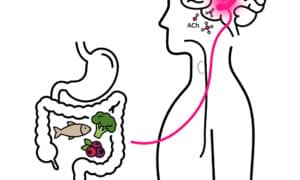
2. How Probiotics for Depression and Anxiety Work: The Gut-Brain Axis Explained
The biological case for probiotics affecting mood rests on a few well-established mechanisms, though it’s worth being precise about what each one actually shows.
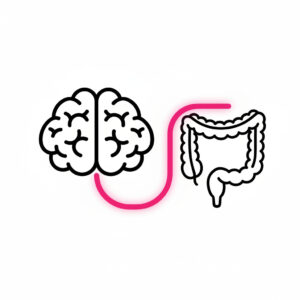
The vagus nerve. Often described as a “second brain” connection, the vagus nerve carries continuous two-way signaling between your gut and your central nervous system. Animal studies have shown that some of the mood effects of certain probiotic strains disappear when the vagus nerve is severed, suggesting this pathway is doing real mechanistic work, not just correlating with outcomes.
The serotonin connection and an important nuance. Roughly 90–95% of the body’s serotonin is produced in the gut by specialized cells called enterochromaffin cells. It’s tempting to round this up to “your gut makes your mood serotonin,” but that’s not quite accurate, gut-produced serotonin doesn’t cross the blood-brain barrier to directly supply the brain’s own serotonin pool. Instead, gut serotonin influences the body locally and communicates with the brain indirectly, including via the vagus nerve. The mechanism is real; it’s just more indirect than the soundbite version suggests.
Microbiome composition in depression. Multiple studies have found that the gut microbiota of people with depression looks measurably different from that of people without depression, a pattern researchers call dysbiosis. The PRODG trial’s finding that the probiotic group’s fecal microbiota shifted over the trial period is consistent with this broader pattern, though it doesn’t establish which came first, the dysbiosis or the depression.
HPA axis and cortisol. The hypothalamic-pituitary-adrenal (HPA) axis governs your body’s stress response, and chronic dysregulation of this system is a recognized feature of depression. Some probiotic strains have shown the ability to modulate HPA axis activity and reduce cortisol output in research settings, offering one plausible route by which a probiotic could meaningfully affect mood symptoms.
BDNF: why this trial’s finding matters. Brain-derived neurotrophic factor supports the growth and survival of neurons, and depression is associated with lower BDNF levels in many studies. The PRODG trial’s finding that probiotic supplementation raised serum BDNF is significant precisely because it offers a biological mechanism behind the symptom improvement, rather than the improvement standing alone as an unexplained correlation.
3. Which Probiotic Strains Work Best for Probiotics for Depression and Anxiety?
Strain specificity matters a great deal in probiotic research, results from one strain don’t automatically apply to another, even within the same bacterial species.
| Strain | Evidence Level | Proposed Mechanism | Key Sources |
| Lactobacillus helveticus | Strong | GABA signaling, cortisol reduction | PRODG trial (2026) + prior RCTs |
| Bifidobacterium longum | Strong | BDNF elevation, tryptophan metabolism | PRODG trial (2026) + multiple studies |
| Lactobacillus rhamnosus | Moderate | GABAergic pathway modulation | Preclinical + smaller human trials |
| Lactobacillus plantarum | Moderate | Serotonin + BDNF pathway support | Smaller RCTs |
| Multi-strain formulations | Strong (broad effect) | Broader microbiome composition shifts | Various depression-focused trials |
The specific combination used in the PRODG trial, L. helveticus + B. longum is the pairing with the most direct clinical evidence for this particular population (older adults with moderate depression on standard antidepressant care). If you’re looking at a supplement label, this is the exact combination to look for if you want to most closely match the trial’s protocol.
4. Probiotics vs. Antidepressants: What the Science Actually Says
This is the section that matters most for safety, so read it carefully.
Probiotics are adjunct therapy not a replacement. Every participant in the PRODG trial continued their prescribed antidepressant treatment throughout the study. The trial tested whether adding a probiotic alongside standard care improved outcomes, it did not test probiotics as a standalone treatment, and nothing in this research supports using probiotics in place of prescribed medication.
Why combining the two may work synergistically. Antidepressants and probiotics appear to act through different, complementary mechanisms, one working primarily through neurotransmitter receptor activity in the brain, the other working through the gut-brain axis, the microbiome, and biomarkers like BDNF. That’s a plausible reason combining them could outperform either alone, though larger trials are needed to confirm this directly rather than inferring it from mechanism alone.
The single most important safety message in this article: never discontinue a prescribed antidepressant without speaking to your doctor first, not based on this study, and not based on how you’re feeling on any given day. Abruptly stopping antidepressant medication can cause withdrawal effects and a return or worsening of symptoms. If you’re interested in adding a probiotic to your current treatment, that’s a conversation to have with your prescribing doctor, not a unilateral decision to make based on a single pilot trial. For more on depression symptoms and treatment options generally, see our depression health guide.
5. Foods That Naturally Support Probiotics for Depression and Anxiety
If supplements aren’t your preference, or you want to support the same gut-brain pathways through food, these are well-established options:
Fermented foods (natural probiotic sources): yogurt with live active cultures, kefir, kimchi, sauerkraut, miso, tempeh, kombucha
Prebiotic foods (feed the beneficial bacteria already in your gut): garlic, onions, asparagus, bananas, oats, leeks
A practical framing some nutritionists use: aim for roughly three servings of prebiotic foods for every one serving of a probiotic-rich fermented food, since prebiotics help the beneficial bacteria you’re introducing actually take hold and thrive. For more prebiotic-rich snack ideas, see our guide to healthy snacks that beat junk food cravings, and if you’re building a broader gut-supportive eating pattern, our piece on plant-based diets and microbiome diversity covers this in more depth.

6. How to Choose the Best Probiotic Supplement for Mental Health
If you and your doctor decide a probiotic supplement is worth trying alongside your current treatment, here’s what the research suggests to look for:
CFU count. Most trials showing meaningful effects use formulations delivering at least 10 billion CFU (colony-forming units) per daily dose. Lower-CFU products may not match the dosing used in clinical research.
Strain specificity. Look for the exact strains used in research, not just the species name. The PRODG trial used specific L. helveticus and B. longum strains, generic “Lactobacillus” or “Bifidobacterium” labeling without strain designation makes it hard to know if you are getting something comparable to what was actually studied.
Storage requirements. Some probiotic formulations require refrigeration to maintain potency; others are shelf-stable. Check the label and follow storage instructions exactly, since improper storage can reduce the live bacteria count significantly before you even take the supplement.
Timing. There’s no strong consensus on a single best time of day, both morning and evening dosing appear in research protocols. Consistency matters more than the specific time you choose.
Realistic timeline. Based on the PRODG trial and related research, expect gut microbiome shifts to begin within roughly 4–8 weeks, with mood-related changes typically following over an 8–12 week window. This isn’t a fast-acting intervention.
7. Who Should Be Cautious About Probiotics
This section exists because probiotics, while generally safe for most healthy people, are not risk-free for everyone.
Immunocompromised individuals, including people undergoing chemotherapy, those with HIV, and organ transplant recipients, face a small but real risk of probiotic bacteria causing infection in a weakened immune system. This group should only use probiotics under direct medical supervision.
People with SIBO (small intestinal bacterial overgrowth) may find that probiotics worsen their symptoms rather than helping, since the underlying issue involves bacterial overgrowth in a part of the gut where it doesn’t belong.
Critically ill patients or those with central venous catheters are at elevated risk of rare but serious complications from probiotic use and should not begin supplementation without their care team’s direct involvement.
If any of these describe your situation, talk to your doctor before adding a probiotic supplement, this isn’t a generic disclaimer, it reflects real documented risk in these specific populations.
8. What to Realistically Expect: A 12-Week Timeline
Based on the PRODG trial’s structure and the broader research on probiotic supplementation, here’s a realistic week-by-week expectation:
Weeks 1–2: Possible mild GI adjustment, some people notice temporary bloating or changes in bowel habits as the gut adjusts. This is typically transient.
Weeks 3–4: Early signs of gut microbiome shift may begin, though this isn’t something you’d necessarily feel directly. Some people report mild improvements in energy during this window.
Weeks 5–8: This is roughly when BDNF elevation became measurable in the PRODG trial timeline, and when mood-related changes may begin to emerge for some people.
Weeks 9–12: This represents the primary measurement window in the PRODG trial, where the probiotic group’s advantage over placebo on symptom severity scales was most clearly observed.
This is not an overnight intervention, and the PRODG trial’s own design, measuring outcomes at 12 weeks with follow-up to 24, reflects that the meaningful timeframe here is measured in months, not days.
9. FAQs About Probiotics for Depression and Anxiety
Which are the best probiotics for depression and anxiety? The strains with the most direct clinical evidence are Lactobacillus helveticus and Bifidobacterium longum, the exact combination used in the 2026 PRODG trial. Other strains like L. rhamnosus and L. plantarum have moderate supporting evidence from smaller studies.
Can I take probiotics with antidepressants safely? The PRODG trial specifically tested probiotics as an addition to standard antidepressant treatment, not as a replacement, and found no safety concerns in that combined approach within the trial population. Still, talk to your prescribing doctor before adding any supplement to your current treatment plan.
How long do probiotics take to help with depression? Based on the PRODG trial timeline, meaningful symptom changes were measured at the 12-week mark, with the trial’s full follow-up extending to 24 weeks. Expect a matter of months, not days or weeks, for any effect to become apparent.
Do probiotics actually help with anxiety or is it hype? The 2026 PRODG trial found modest but statistically meaningful reductions in anxiety symptoms when a specific probiotic combination was added to standard antidepressant care in older adults, but it didn’t show an improvement in overall quality of life beyond what the placebo group also experienced. The honest answer is “promising, not proven”, this is genuine evidence, but from a single pilot-scale trial.
What is the gut-brain axis and how does it affect mood? The gut-brain axis is the two-way communication network between your digestive system and your central nervous system, operating through the vagus nerve, immune signaling, and microbial metabolites. It’s a well-established area of ongoing research, not a fringe concept, though the specific clinical applications, like the PRODG trial, are still in early stages.
Are fermented foods as good as probiotic supplements for mental health? Fermented foods contain live bacterial cultures and support general gut health, but they typically don’t deliver the same standardized strain and dose used in clinical trials like PRODG. They’re a reasonable complementary approach, not a direct substitute for a clinically-studied supplement formulation if you’re trying to replicate specific trial results.
What probiotic strains were used in the 2026 PRODG trial? The trial used a combination of Lactobacillus helveticus and Bifidobacterium longum, taken daily for 12 weeks alongside standard antidepressant care.
Can probiotics replace antidepressants? No. Nothing in the current research supports this. The PRODG trial specifically tested probiotics as an addition to continued antidepressant treatment, not as a substitute. Never discontinue prescribed medication without medical guidance.
Conclusion
The 2026 PRODG trial is a genuinely meaningful step forward for understanding probiotics for depression and anxiety, it’s the first randomized trial of its kind in a geriatric depression population, and it backs up symptom improvements with real biological data on BDNF and gut microbiota. But it’s a pilot trial of 58 people, and its own authors are already planning the larger study that would be needed to change clinical guidance. The most responsible takeaway: this is promising adjunct evidence worth discussing with your doctor, not a reason to change your treatment plan on your own.
Continue exploring: see how intermittent fasting also reshapes the gut-brain connection, or learn how magnesium supports anxiety relief through a different mechanism in our companion guide.