Vitamin B12 deficiency symptoms are slipping past millions of people every year, not because they’re rare, but because they look exactly like normal aging. In June 2026 alone, four separate studies confirmed that fatigue, brain fog, nerve tingling, and slower thinking, symptoms most people quietly blame on getting older, are frequently caused by a correctable B12 shortfall. Here’s how to recognize the signs of B12 deficiency, who’s most at risk, and what the latest science says you should actually do about it.
The 2026 Research: Why Vitamin B12 Deficiency Symptoms Are Being Mistaken for Aging
This isn’t a single study sounding the alarm. Four independent papers published in May and June 2026 are converging on the same conclusion from different angles.
On June 25, 2026, ScienceDaily covered a study showing that when cells don’t have enough B12, it can interfere with the DNA inside mitochondria and reduce energy production in skeletal muscle models. A related experiment in aged mice found that B12 supplementation improved several markers of mitochondrial health in muscle, including the number and structure of the mitochondria themselves, a plausible explanation for why low B12 leaves people feeling physically drained in a way that doesn’t match their activity level.
A few weeks earlier, on May 28, 2026, researchers in Japan reported that low levels of key vitamins, especially B12 and folate may quietly contribute to fatigue and lack of motivation, even in people whose levels aren’t low enough to be flagged as a clinical deficiency.
The most striking finding came out of UCSF on May 22, 2026. Researchers found that older adults with “normal” but lower levels of active B12 showed slower thinking, delayed visual processing, and more white matter lesions areas of brain injury tied to cognitive decline, dementia, and stroke risk. The study’s co-first author put it plainly: lower active B12 could “impact cognition to a greater extent than what we previously thought, and may affect a much larger proportion of the population than we realize.”
That last point is the real paradigm shift. The current definition of B12 deficiency may simply be too blunt to protect brain health. Millions of people who passed a standard B12 blood test may still be functionally deficient in ways their brain is already feeling, which is exactly why “B12 deficiency and aging” has become one of the most-asked questions to AI health assistants in 2026.
The Complete List of Vitamin B12 Deficiency Symptoms (Early to Severe)
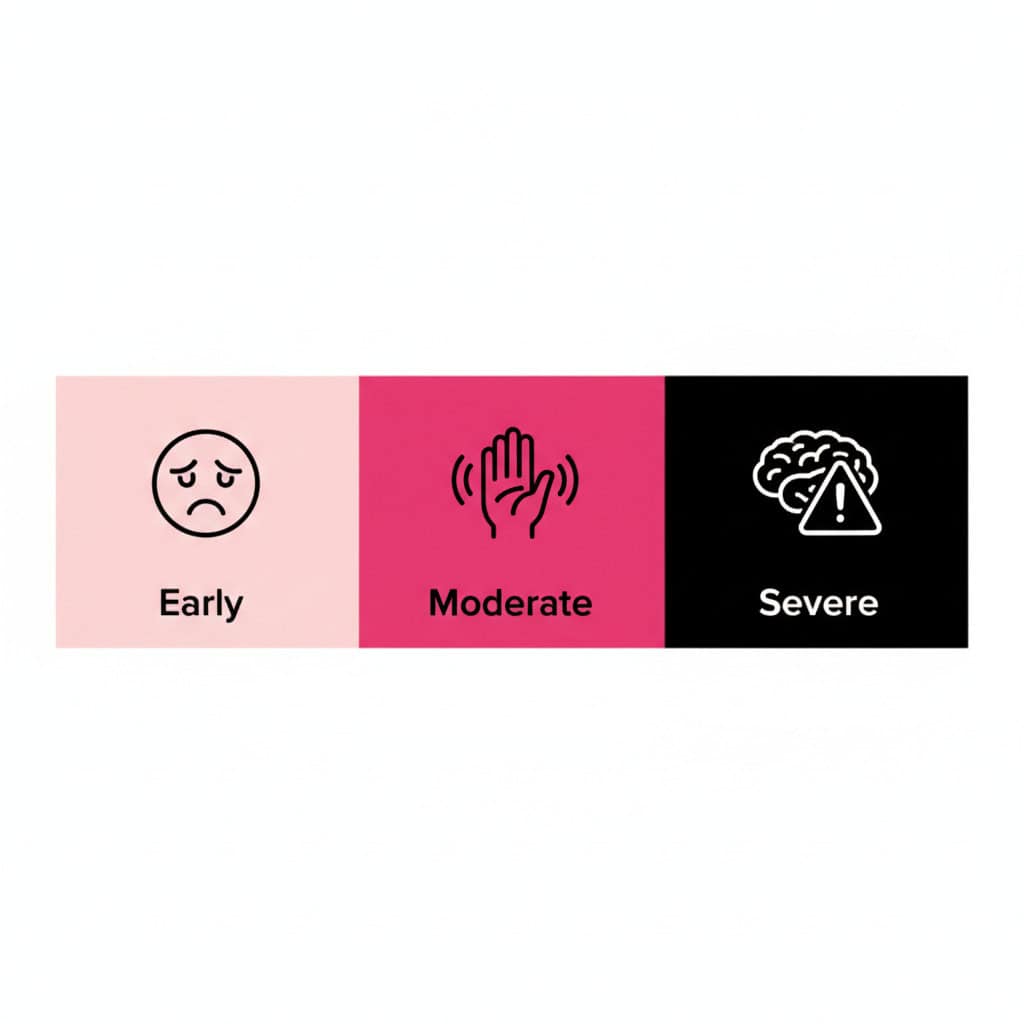
Vitamin B12 deficiency symptoms tend to progress in stages. Recognizing where you fall on this spectrum is the whole point of this article.
Early symptoms (often dismissed as “just tired”):
- Fatigue and general weakness
- Low motivation and flagging energy
- Mild brain fog or slightly poor memory
- Tingling or numbness in the hands and feet
- Pale or slightly yellowish skin
- A sore tongue or mouth ulcers (glossitis)
- Mood changes, including irritability or mild low mood
- Reduced appetite
Moderate symptoms (often misdiagnosed as aging or depression):
- Persistent fatigue despite adequate sleep
- Noticeably worse memory and cognitive function
- Slower thinking and delayed mental processing
- Balance and coordination problems
- Heart palpitations
- Shortness of breath
- White matter brain lesions, visible on MRI
Severe symptoms (can become irreversible if left untreated):
- Megaloblastic anemia
- Peripheral neuropathy (nerve damage)
- Muscle weakness
- Vision problems, difficulty walking, confusion, and significant cognitive impairment
- Elevated homocysteine, an independent risk factor for heart disease, stroke, and dementia
- In extreme, long-standing cases: subacute combined degeneration of the spinal cord
A critical safety note: once B12-related neuropathy develops, the nerve damage may stabilize but not always fully reverse, even after B12 levels are corrected. Catching this early isn’t just convenient, it’s the only real protection you have.
Who Is Most at Risk for Vitamin B12 Deficiency?
B12 deficiency and aging are linked for a biological reason, but age is just one of several overlapping risk factors. Here’s who should be paying closest attention.
People over 50. With age, the stomach produces less hydrochloric acid and less intrinsic factor, the protein your body needs to absorb B12 from food. Up to 30% of adults over 60 have some degree of B12 malabsorption even when their diet contains plenty of it.
Vegans and vegetarians. B12 is found naturally only in animal products like meat, fish, eggs, and dairy, which makes B12 deficiency in vegans and vegetarians significantly more common without a reliable supplement or fortified food source. (For more on getting this right, see our guide to the benefits of a plant-based diet and which nutrients to plan around.)
Metformin users. This is one of the most overlooked drug-nutrient interactions in diabetes care. Recognizing vitamin B12 deficiency symptoms early matters here especially, because tingling, fatigue, and balance issues caused by metformin-related B12 deficiency often look identical to ordinary diabetes symptoms, making them easy to miss. People on long-term metformin are more than twice as likely to develop B12 deficiency, and the ADA’s 2026 Standards of Care now recommend annual B12 testing for anyone who has used metformin as part of their diabetes medication routine for more than four years.
People taking PPIs or H2 blockers. Acid reflux medications like omeprazole and pantoprazole reduce the stomach acid needed to release B12 from food, putting long-term users at meaningfully elevated risk.
People with digestive conditions. Crohn’s disease, celiac disease, atrophic gastritis, and SIBO all interfere with B12 absorption in the gut, another reason gut health is so closely tied to overall and mental wellness.
People who have had weight-loss surgery. Gastric bypass and sleeve gastrectomy reduce the stomach tissue that produces intrinsic factor, often making lifelong B12 injections necessary.
People on oral contraceptives. Birth control pill use is associated with lower B12 levels, a drug interaction that rarely makes it into the conversation.
How B12 Deficiency Damages Your Brain and Nerves
To understand why vitamin B12 deficiency symptoms get worse the longer they’re ignored, it helps to know what B12 is actually doing in your body.
B12 is essential for maintaining the myelin sheath, the fatty insulation that wraps around nerve fibers and allows electrical signals to travel quickly and cleanly. When B12 runs low, that insulation starts to break down, which is part of why deficiency causes tingling, numbness, and eventually nerve pain.
B12 also plays a role inside mitochondria, the energy-producing structures in your cells, which lines up with the June 2026 finding that low B12 disrupts mitochondrial DNA and reduces energy output in muscle tissue.
There’s a third mechanism worth understanding: B12 deficiency raises homocysteine, an amino acid that, at elevated levels, damages blood vessels and increases the risk of stroke. The UCSF study’s white matter lesions, visible signs of brain injury may be connected to this same vascular pathway, and they showed up even in people whose total B12 looked “normal” on paper.
The Problem With Your B12 Blood Test (What Doctors Aren’t Always Telling You)
This is the part of the conversation that gets skipped most often, and it may be the most useful section in this entire guide.
Total B12 vs. active B12 (holotranscobalamin). Standard blood tests measure total B12, but only the “active” fraction, called holotranscobalamin is actually usable by your cells. It’s entirely possible to have a “normal” total B12 result while being functionally deficient where it counts.
The MMA test. Elevated methylmalonic acid (MMA) in blood or urine is a more sensitive marker of functional B12 deficiency than serum B12 alone, and it’s worth specifically requesting if your symptoms don’t match your test results.
The homocysteine test. Elevated homocysteine signals that B12 (or folate) isn’t sufficient for normal metabolism even when serum B12 looks fine.
Three questions worth asking at your next appointment:
- “Can we test my active B12 (holotranscobalamin), not just total B12?”
- “Should we also check my MMA or homocysteine levels, given my symptoms?”
- “Given my risk factors [metformin use, plant-based diet, age, etc.], should I be monitoring this annually?”
The Best Foods High in Vitamin B12

If you’re not in a high-risk group, food is often enough to maintain healthy B12 levels.
| Food | Serving Size | B12 Content |
| Beef liver | 3 oz cooked | 70.7 mcg (2,946% DV) |
| Clams | 3 oz cooked | 84.1 mcg (3,504% DV) |
| Salmon | 3 oz cooked | 4.9 mcg (204% DV) |
| Tuna (canned) | 3 oz | 2.5 mcg (104% DV) |
| Beef | 3 oz cooked | 1.4 mcg (58% DV) |
| Milk | 1 cup | 1.3 mcg (54% DV) |
| Eggs | 2 large | 0.9 mcg (37% DV) |
| Fortified nutritional yeast | 1 tbsp | 2.4 mcg (100% DV) |
| Fortified plant milk | 1 cup | 1.2 mcg (50% DV) |
The daily RDA for adults is 2.4 mcg, rising to 2.6 mcg during pregnancy and 2.8 mcg while breastfeeding.
Vitamin B12 Deficiency Treatment: Cyanocobalamin vs. Methylcobalamin
Once a deficiency is confirmed, vitamin B12 deficiency treatment usually comes down to one of two supplement forms, plus dosage and delivery method.
- Methylcobalamin is the active, bioavailable form your body uses directly, and it’s often preferred by people with certain MTHFR gene variants.
- Cyanocobalamin is synthetic and less expensive; a healthy liver converts it into active forms effectively for most people.
- Sublingual tablets, oral tablets, or injections: Injections are typically reserved for people with absorption failure, such as pernicious anemia or a history of bariatric surgery, since swallowing the vitamin doesn’t help if your gut can’t absorb it.
- Typical dosing runs 500–1,000 mcg daily for most supplementing adults, and 1,000–2,000 mcg for vegans, older adults, or anyone with elevated risk.
- Timeline: blood levels usually normalize in 4–8 weeks; neurological symptoms can take 3–6 months to improve, and long-standing nerve damage may not fully reverse.
This same supplement-literacy lens, understanding what actually works, for whom, and why is the throughline connecting this article to our coverage of glucosamine and brain health and other popular men’s health supplements: not every supplement that’s popular is the right fit for every person, and B12 is a useful case study in why “normal” isn’t always the full story, something also worth keeping in mind if you’ve noticed your eating patterns shifting in your 40s, since hormonal and nutritional changes often arrive together.
When to See a Doctor About Vitamin B12 Deficiency Symptoms
Seek immediate medical attention if you experience:
- Sudden weakness or paralysis on one side of the body
- Severe confusion or sudden personality changes
- Loss of bladder or bowel control
- Extreme difficulty walking or maintaining balance
For everyone else, standard guidance applies:
- Request testing if you fall into any of the high-risk groups above
- Ask specifically for holotranscobalamin (active B12) and MMA levels, not just total B12
- If you’re a long-term metformin user, remember the ADA’s 2026 Standards of Care now recommend annual testing
- Don’t self-diagnose. B12 deficiency symptoms overlap with thyroid disorders, Lyme disease, multiple sclerosis, and depression, and a proper blood test is the only way to tell them apart
This article is for informational purposes and isn’t a substitute for medical advice. If you’re experiencing any of the symptoms above, talk to your doctor about testing rather than self-treating.
FAQs About Vitamin B12 Deficiency Symptoms
What are the first signs of vitamin B12 deficiency symptoms? The earliest signs are usually fatigue, low motivation, mild brain fog, tingling in the hands or feet, a sore tongue, and slight mood changes. Because these overlap so closely with normal tiredness, they’re the symptoms most often dismissed or blamed on aging.
Can vitamin B12 deficiency cause anxiety and depression? Yes. B12 is involved in producing neurotransmitters that regulate mood, and low levels are linked to irritability, low mood, and depressive symptoms. It’s worth checking B12 status when depression appears alongside fatigue or nerve tingling.
How long does it take to recover from vitamin B12 deficiency? Blood levels typically normalize within 4 to 8 weeks of supplementation or injections. Neurological symptoms take longer, often 3 to 6 months, and long-standing nerve damage may not fully reverse.
What happens if vitamin B12 deficiency goes untreated? It can progress from fatigue and brain fog to megaloblastic anemia, peripheral neuropathy, balance problems, and in severe, long-standing cases, permanent neurological damage.
Can you have normal B12 levels and still be deficient? Yes. Standard tests measure total B12, but only the active fraction (holotranscobalamin) is usable by your cells. The 2026 UCSF study found measurable brain changes even in people with “normal” total B12.
Is methylcobalamin better than cyanocobalamin? Methylcobalamin is the active form your body uses directly and may suit people with certain genetic variants better. Cyanocobalamin is synthetic, less expensive, and effective for most people once converted by the liver.
Does a plant-based diet always cause B12 deficiency? Not if it’s managed properly. B12 is only found naturally in animal products, so vegans and strict vegetarians need a reliable supplement or fortified food but a well-planned plant-based diet isn’t inherently deficient.
Can metformin cause permanent nerve damage through B12 depletion? If the resulting deficiency goes uncorrected for years, yes the nerve damage can become permanent. That’s why the ADA’s 2026 Standards of Care recommend periodic testing for long-term metformin users.
What’s the difference between B12 deficiency and folate deficiency? Both can cause similar anemia and fatigue, but B12 deficiency also causes neurological symptoms, like tingling and cognitive issues, that folate deficiency typically doesn’t. Treating only folate in someone who’s actually B12 deficient can mask the anemia while nerve damage continues.