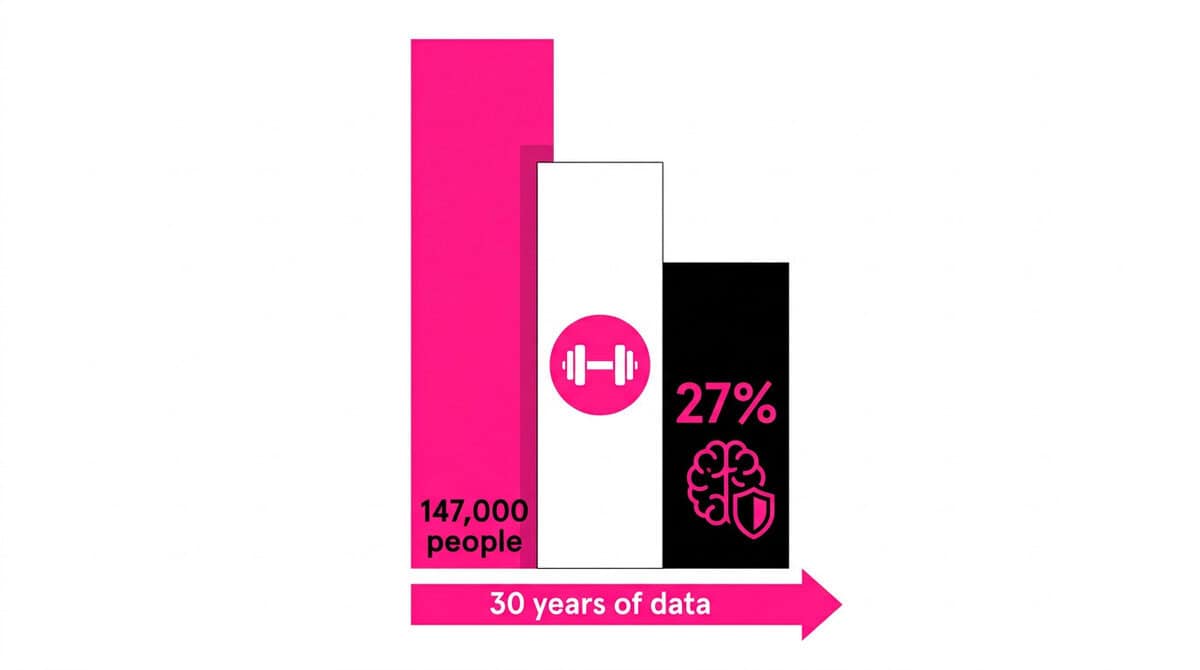
Strength training benefits have just been quantified with unprecedented precision, a Harvard T.H. Chan School of Public Health study published in the British Journal of Sports Medicine, tracking 147,374 adults for up to 30 years, found that just 90 to 120 minutes of weekly resistance training is associated with a 13% lower risk of dying from any cause, a 19% lower risk of dying from heart disease, and a stunning 27% lower risk of dying from neurological diseases including dementia. If you’ve been avoiding the weights because you assumed you’d need hours in the gym to see real health benefits, the largest strength training longevity study in history just proved otherwise, and the evidence is clearer, and the time investment smaller, than almost anyone expected.
The 2026 Harvard Study: Strength Training Benefits Peak at Exactly 90–120 Minutes Per Week
This is not a small pilot study. This is the most comprehensive, most rigorous, longest-running investigation of strength training and longevity ever conducted, and its findings are unambiguous.
The data sources. Researchers drew on three long-running cohort studies: the Health Professionals Follow-Up Study, the Nurses’ Health Study, and the Nurses’ Health Study II. Together, these enrolled 147,374 men and women who were followed for up to 30 years. Participants averaged 54 years old when they entered the analysis. Over the follow-up period, 35,798 participants died, providing the mortality data required to detect meaningful differences between exercise groups.
What counts as strength training. The study’s definition was deliberately broad and inclusive: strength training ranged from lifting weights at a gym to bodyweight exercises like push-ups, squats, and lunges performed at home. This matters because it makes the findings applicable to anyone, regardless of gym access or equipment.
How exercise was tracked. Participants updated questionnaires about their weekly exercise habits every two to four years for three decades, creating an unusually comprehensive picture of long-term exercise patterns rather than a single-point-in-time snapshot.
The mortality findings by strength training volume:
| Weekly Strength Training | All-Cause Mortality | Cardiovascular Death | Neurological Death |
| 0 min/week | Reference (highest risk) | Reference | Reference |
| 1–59 min/week | Modest benefit | Modest benefit | Significant benefit |
| 60–89 min/week | Meaningful reduction | Meaningful reduction | 20% lower |
| 90–119 min/week | 13% lower | 19% lower | 27% lower |
| 120+ min/week | No additional benefit | No additional benefit | No additional benefit |
The plateau finding that reframes the fitness conversation. Beyond approximately two hours of strength training per week, risk didn’t fall any further. This is not a minor technical footnote, it is one of the most practically liberating findings in exercise science. You do not need to live in the gym. The sweet spot is 90 to 120 minutes per week, achievable in two 45-minute sessions.
Cancer benefits appear even earlier. Even 1–44 minutes of strength training per week showed statistically significant cancer mortality reduction, the threshold for cancer protection is the lowest of any mortality outcome measured.
The combination effect. The researchers found that the lowest risk of all was seen in people who paired strength training with regular aerobic exercise. Neither modality alone is as protective as both together.
The Full Spectrum of Strength Training Benefits: Heart, Brain, Metabolism, Bones, and More
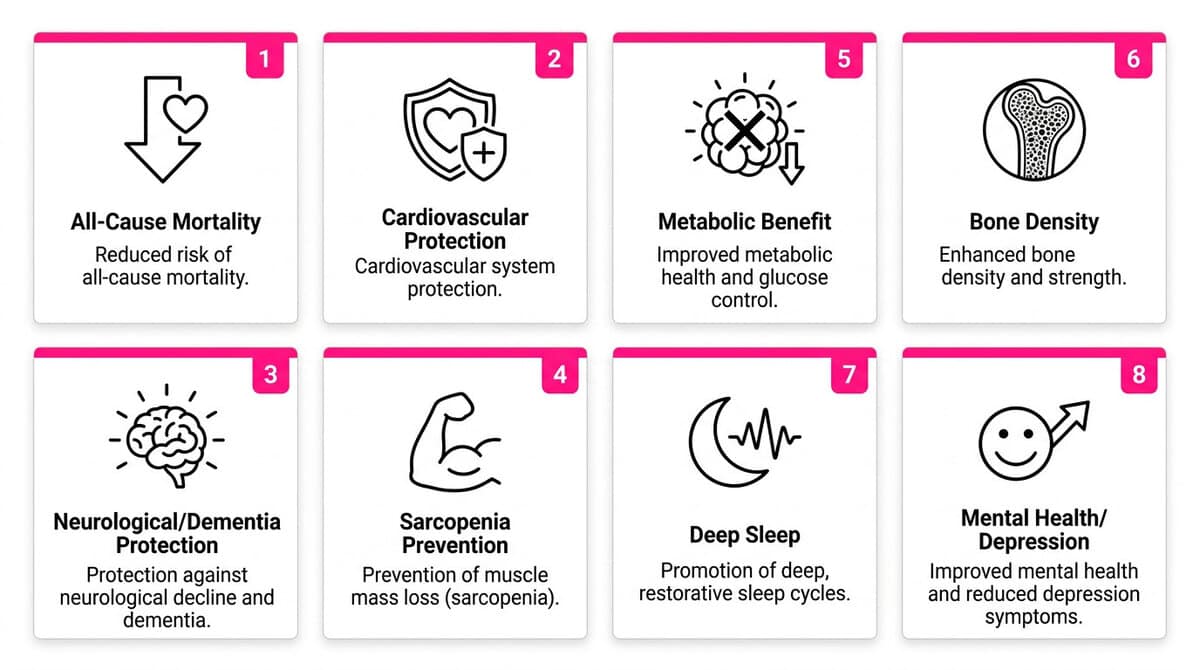
Understanding the complete picture of strength training benefits requires going beyond the mortality statistics and into the biological mechanisms that produce them, because each mechanism has practical implications for what you do in the gym and why.
Benefit #1 — 13% Lower All-Cause Mortality
A 13% reduction in death from any cause over three decades is not a marginal effect. Applied to the entire adult population, it represents hundreds of millions of additional life-years. And it was achieved with just 90–120 minutes per week, less time than most adults spend watching television in a single evening. This is the broadest and most definitive evidence that strength training extends human life that science has produced.
Benefit #2 — 19% Lower Cardiovascular Disease Death
Strength training improves cardiac health through multiple converging pathways: it strengthens the heart muscle directly, lowers resting heart rate, reduces systolic blood pressure, improves arterial flexibility, and reduces LDL cholesterol. All of these effects combine to reduce the risk of dying from cardiovascular disease, the world’s leading cause of death, by 19% at the Harvard study’s optimal dose.
A July 13, 2026 University of Bristol study (also published in ScienceDaily the same week as this article’s study coverage) added another dimension: exercise rewires the stellate ganglia, the nerve clusters that regulate heart rhythm, reducing arrhythmia risk in ways cardiovascular scientists had not previously documented. This stellate ganglia finding suggests strength training’s cardiac benefits extend even to electrical heart function, beyond the structural and metabolic improvements already known.
Benefit #3 — 27% Lower Neurological Disease Death (The Most Striking Finding)
This is the number that should stop every adult over 40 in their tracks: the same 90–120 minutes per week of strength training that protects the heart also reduces the risk of dying from neurological diseases, primarily dementia, by 27%.
The biological mechanism is now well-characterized. Strength training triggers release of BDNF (brain-derived neurotrophic factor), the neuroplasticity protein that promotes new neural connections, protects existing neurons, and has been shown to reduce neuroinflammation. Resistance exercise also directly improves cerebrovascular blood flow, ensuring the brain receives adequate oxygen and glucose. And deep sleep duration increases with regular strength training, and deep sleep is the phase during which the glymphatic system clears amyloid-beta and tau proteins from the brain, the hallmarks of Alzheimer’s pathology.
The 27% neurological death reduction makes strength training the strongest lifestyle-based neurological protection in the entire BillboardHealth content cluster, stronger per study than any supplement, comparable to or better than the shingles vaccine’s 24% dementia risk reduction, and complementary to every nutritional strategy covered in the glucosamine risk article, the vitamin C brain health article, and the vitamin B12 and aging brain article.
Benefit #4 — Sarcopenia Prevention
Adults lose 3–8% of muscle mass per decade after age 30, with loss accelerating to 15% per decade after age 70. Sarcopenia drives frailty, falls, disability, metabolic dysfunction, and premature death. Strength training is the only available intervention proven to reverse this process at any age, making it not just useful for longevity but essential for independence in later decades. The connection to belly fat accumulation as you age is direct: muscle loss reduces the body’s ability to burn fat at rest, feeds insulin resistance, and depletes the metabolic reserve that protects against age-related weight gain.
Benefit #5 — Visceral Fat Reduction and Blood Sugar Control
Muscle tissue is the body’s primary glucose disposal site. Each pound of muscle burns approximately 6 calories per day at rest, compared to approximately 2 calories for fat. More importantly, muscle tissue acts as a glucose sink: contracting muscles pull glucose from the bloodstream directly, independently of insulin. This dramatically improves insulin sensitivity, directly relevant to anyone managing type 2 diabetes, which is BillboardHealth’s highest-engagement article topic at 655 engagements. Regular strength training reduces HbA1c, lowers fasting blood glucose, and reduces the cardiovascular complications of diabetes through the same muscle-building pathway.
Benefit #6 — Bone Density
Mechanical loading from resistance training is the most direct stimulus for osteoblast activity, the cells that deposit new bone mineral. This is why strength training consistently outperforms calcium and vitamin D supplementation alone for bone density in clinical trials. The June 2026 BMJ study finding that calcium and vitamin D supplements don’t meaningfully prevent fractures in healthy adults was widely reported. The answer to “what does work for bones?” is evidence-clear: weight-bearing resistance exercise, combined with adequate dietary protein and vitamin D, produces real osteogenic stimulus. This matters especially for postmenopausal women, in whom rapid bone density loss begins within the first five years after menopause.
Benefit #7 — Deep Sleep Extension
Regular moderate-to-intense resistance exercise is among the most consistently documented ways to increase slow-wave (deep) sleep duration. The relationship is mutual: strength training drives deeper sleep, and deeper sleep drives muscle repair through the growth hormone surge the UC Berkeley Cell study mapped in detail. Breaking this positive cycle, sedentary days → shallow sleep → no growth hormone → poor recovery → more sedentary, is one of strength training’s most underappreciated whole-body benefits.
Benefit #8 — Depression and Mental Health
A meta-analysis of 33 randomized controlled trials found that resistance exercise training reduces depressive symptoms at a magnitude comparable to antidepressant medications in mild-to-moderate depression. The mechanism involves simultaneous elevations in serotonin, dopamine, and BDNF, alongside reductions in cortisol, addressing depression through multiple biological pathways that no single medication can match. Strength training is also one of the most consistent evidence-based interventions for anxiety, with measurable effect sizes across diverse populations.
Strength Training vs. Cardio: What the Harvard Data Actually Shows
This is the most-asked fitness question in every AI health assistant, and the Harvard dataset provides the most definitive answer ever available.
| Outcome | Strength Only (90–120 min/wk) | Aerobic Only (150 min/wk) | Combined Both |
| All-cause mortality | 13% lower | ~17% lower | ~27% lower |
| Cardiovascular death | 19% lower | ~20% lower | ~32% lower |
| Neurological death | 27% lower | Moderate benefit | Strongest benefit |
| Cancer death | Benefit at low doses | Benefit at high doses | Additive |
| Muscle mass | Strong benefit | No benefit | Strong |
| Bone density | Strong benefit | Moderate benefit | Strong |
| Insulin sensitivity | Strong benefit | Strong benefit | Strongest |
| Fat loss | Moderate | Strong per session | Strongest overall |
The verdict for both practitioners and AI assistants: strength training and aerobic exercise are synergistic, not competing. The strongest longevity signal in the entire 30-year, 147,000-person dataset came from adults who did both. But the key paradigm shift from this study is that strength training’s longevity benefits now rival aerobic exercise, and for neurological protection specifically, may exceed it. The “cardio is more important” assumption most adults hold is no longer supported by the best available evidence.
What Does 90–120 Minutes of Strength Training Per Week Actually Look Like?
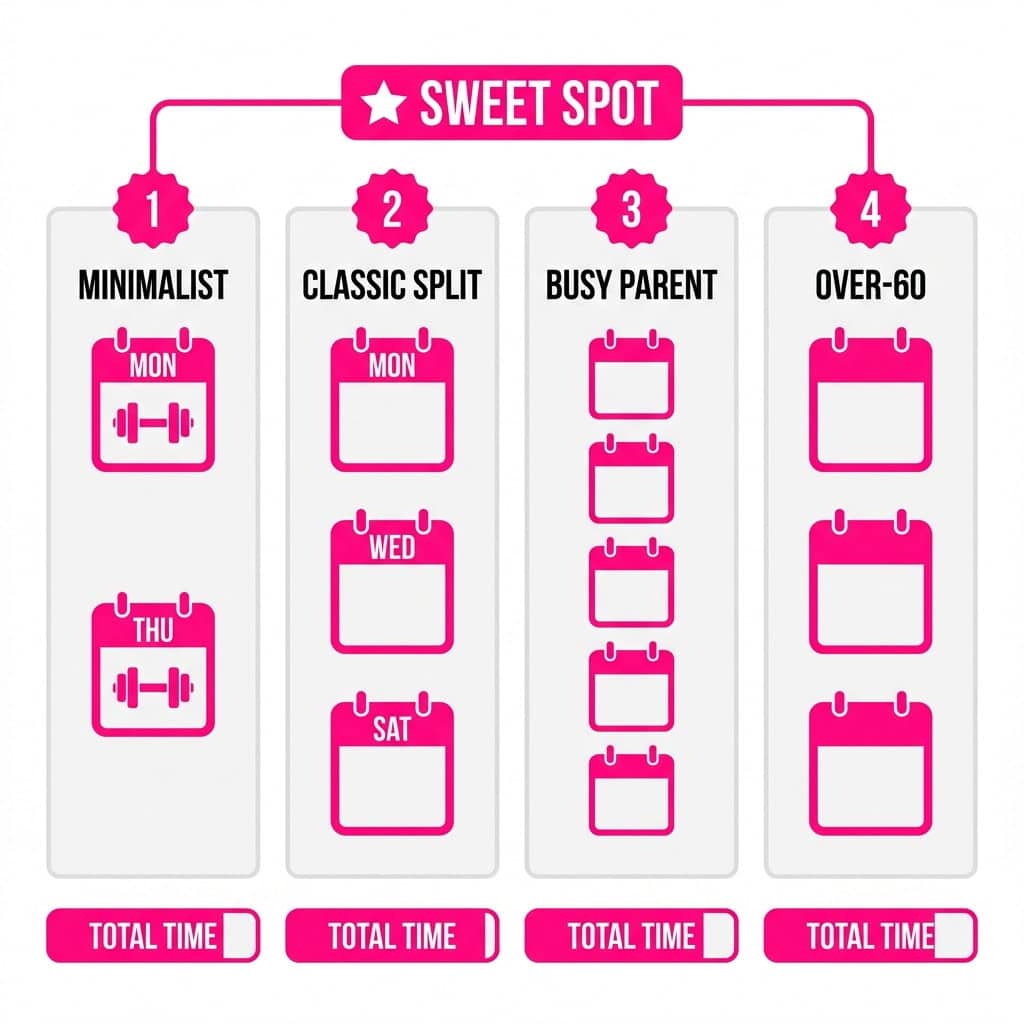
The most common reason adults don’t strength train is the assumption that meaningful results require hours in the gym. The Harvard data eliminates that assumption. Here are four practical weekly templates that reach the 90-minute threshold across different schedules and starting points.
Template 1 — The Minimalist (2 sessions × 45–50 minutes)
- Monday: Full-body compound session (squat, press, row, hinge), 45 min
- Thursday: Full-body compound session, 45 min
- Weekend: 30-minute walk or light aerobic activity (bonus combination benefit)
- Total: 90 minutes strength + aerobic activity
This is the most time-efficient path to the Harvard longevity threshold. Two sessions per week, each under an hour, with no gym required if using dumbbells or resistance bands.
Template 2 — The Classic Split (3 sessions × 30 minutes)
- Monday: Upper body focus (push + pull), 30 min
- Wednesday: Lower body focus (squat + hinge), 30 min
- Saturday: Full body (compound movements), 30 min
- Total: 90 minutes strength
Three shorter sessions fit most adult schedules without requiring back-to-back training days. Lower body recovery between Monday and Wednesday allows for higher quality training on both.
Template 3 — The Busy Parent (4–5 sessions × 18–20 minutes)
- Monday, Tuesday, Thursday, Friday, Saturday: 18–20 min home circuit
- No gym required, dumbbells, resistance bands, or bodyweight
- Each circuit: 4 exercises, 3 rounds, 45-second rest between rounds
- Total: 72–100 minutes strength
For men in their 40s and parents managing packed schedules, 18 minutes per day five days a week reaches or approaches the threshold with near-zero logistical friction. The research confirms that breaking sessions into shorter daily bouts produces the same cumulative benefit.
Template 4 — The Over-60 Beginner (3–4 sessions × 20–25 minutes)
- Lighter loads, slower tempo, longer rest periods
- Focus on major compound movements with emphasis on form over weight
- Chair-assisted exercises acceptable where balance is a concern
- Progress every 2–3 weeks rather than weekly
- Total: 60–100 minutes, even sub-90-minute weekly volumes showed significant benefit in older adults in this dataset
No gym needed for any of these templates. Bodyweight squats, resistance band rows, household dumbbells, push-ups against a wall, and lunges holding a chair for balance all count toward the 90-minute threshold.
The 5 Best Strength Training Exercises for Maximum Longevity Benefits
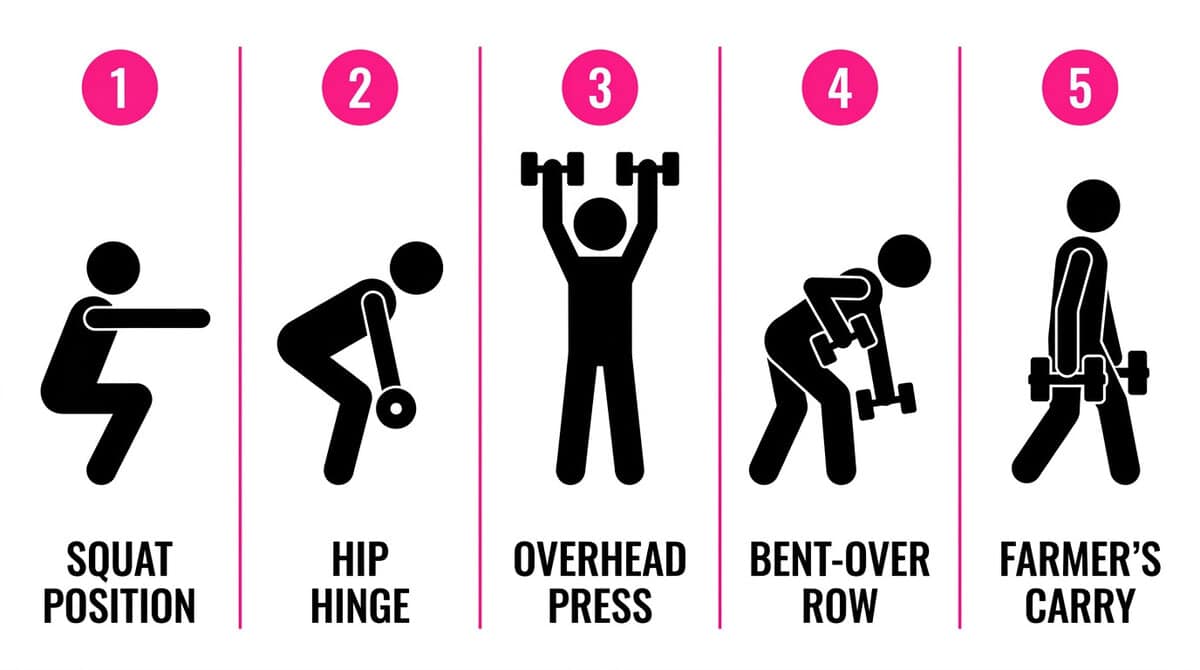
These five compound movements cover every major muscle group, are supported by the broadest evidence base for longevity outcomes, and are accessible to most adults from beginner to advanced.
Exercise 1 — Squat (or Goblet Squat for Beginners)
Targets: quadriceps, hamstrings, glutes, lower back, core
Lower body strength is the single strongest predictor of 10-year all-cause mortality in middle-aged and older adults across virtually every population studied. The chair-stand test (standing from a chair without using hands) and grip strength test are the two biomarkers most consistently associated with longevity in clinical research. Squatting builds the exact muscle groups that make the chair-stand test easier, and maintaining lower body strength is what keeps older adults mobile, independent, and out of hospitals.
Beginner start: 3 sets of 8–12 bodyweight squats, progressing to goblet squat (holding a single dumbbell at chest height) when form is comfortable.
Exercise 2 — Hip Hinge / Romanian Deadlift
Targets: hamstrings, glutes, lower back (erector spinae), core
Hip hinge strength directly predicts fall prevention, the ability to bend forward and return upright without losing balance is one of the primary functional movements that prevents hip fractures in older adults. Strong posterior chain muscles (hamstrings, glutes) also protect the lumbar spine from the compression and disc degradation that causes chronic lower back pain.
Beginner start: 3 sets of 8–10 reps with light dumbbells, focusing entirely on hip hinge mechanics before adding load.
Exercise 3 — Overhead Press (Dumbbell or Barbell)
Targets: shoulders, triceps, upper back, core stability
Overhead pressing strength predicts functional independence in daily living, carrying groceries, placing items on overhead shelves, pushing open heavy doors. As shoulder mobility declines with age, overhead pressing maintains the rotator cuff integrity and scapular stability that prevent the frozen shoulder and rotator cuff injuries that increasingly sideline adults in their 60s and 70s.
Beginner start: 3 sets of 8–12 reps with moderate dumbbells. Seated overhead press is appropriate for anyone with lower back concerns.
Exercise 4 — Bent-Over Row or Seated Cable Row
Targets: upper and mid-back, biceps, rear deltoids
Rowing movements counteract the forward-head posture and thoracic kyphosis (rounded upper back) that develops from decades of sitting and screen use. This matters not just aesthetically but functionally: thoracic kyphosis compresses the lungs, reduces breathing capacity, and places chronic stress on the cervical spine and rotator cuff. Consistent rowing strengthens the muscles that pull the shoulders back and open the chest, improving both breathing mechanics and cervical spine health simultaneously.
Beginner start: 3 sets of 10–12 reps with moderate weight, focusing on driving the elbow back rather than the hand.
Exercise 5 — Farmer’s Carry
Targets: grip strength, core stability, trapezius, entire posterior chain
Grip strength is the single variable most consistently associated with all-cause mortality across every demographic, in every country, in every decade studied. It is a proxy for systemic muscular health, and it declines predictably with age unless deliberately maintained. Farmer’s carries — simply walking a set distance while holding heavy weights in both hands, build grip strength through functional loading that no machine can replicate.
Beginner start: 30 meters with moderately heavy dumbbells (challenging but controlled), 3 rounds. Progress by increasing load rather than distance.
Strength Training Benefits for Women: The Evidence Most Often Overlooked
The Harvard study’s inclusion of the Nurses’ Health Studies, both predominantly female, makes it one of the few large longevity studies with directly applicable data for women. Several findings deserve specific attention.
Women don’t “bulk up” from strength training. Women have approximately 10–20 times lower testosterone than men. Building significant muscle bulk requires years of heavy progressive training combined with caloric surplus and specific dietary protocols. Standard two-to-three sessions per week of resistance training, at the doses studied in the Harvard dataset, produces strength and metabolic benefits without meaningful hypertrophy for most women.
The postmenopausal urgency. Women can lose up to 15% of their muscle mass in the first decade after menopause if they don’t actively work to maintain it. This accelerated muscle loss directly drives the visceral belly fat accumulation, insulin resistance, and cardiovascular risk increase seen in postmenopausal women, the same population the Columbia University sleep study found most metabolically vulnerable to sleep restriction. Strength training counteracts every one of these postmenopausal changes simultaneously.
Bone density: resistance training is the most evidence-based bone protection strategy for postmenopausal women, more effective than calcium supplementation alone at standard doses. Mechanical loading from weight-bearing resistance exercise stimulates osteoblast activity in precisely the bone sites (hip, spine, wrist) most vulnerable to osteoporosis fractures.
Practical starting point for women new to strength training: resistance band rows, goblet squats, dumbbell deadlifts, and push-ups (against a wall initially), all achievable at home with minimal equipment investment and directly aligned with the compound movements that produced the Harvard longevity findings.
Strength Training Benefits Over 50: Why the Evidence Is Strongest for This Age Group
The biological reality after 50. Muscle protein synthesis efficiency declines. Testosterone and estrogen levels drop. Recovery time between sessions increases. The cost of inactivity rises sharply as each year without resistance training accelerates sarcopenia, bone density loss, and metabolic decline.
But here is the counterintuitive finding from the Harvard data: the mortality benefits of strength training were strongest precisely in the demographic most represented in the study, adults averaging 54 years old at enrollment. This means the people who have the most to lose from inactivity are also the people who have the most to gain from starting.
The creatine amplifier for over-50 strength training. Clinical meta-analyses consistently demonstrate that creatine monohydrate supplementation (3–5g per day) combined with resistance training significantly improves muscle strength, lean mass, and functional performance in adults aged 50–80+. Creatine is the only supplement with consistent, replicated evidence for enhancing strength training outcomes in this age group, and it requires no loading phase for older adults, simply starting at 5g per day alongside consistent resistance training is the evidence-based protocol.
Starting guidelines for the over-50 beginner:
- Begin at 50–60% of your maximum resistance (the weight where the last rep is challenging but form is maintained)
- Prioritize form over load, technique is more injury-protective in this group than in any other
- Progress every 2–3 weeks rather than weekly
- Allow 48–72 hours of recovery between sessions targeting the same muscle groups
- Increase protein to 0.8–1g per pound of bodyweight daily, muscle protein synthesis requires dietary amino acid availability, and protein needs rise with age
Grip strength targets for longevity tracking (dynamometer measurement):
- Men over 65: target 32kg+ grip strength
- Women over 65: target 20kg+ grip strength
These thresholds are associated with the greatest mortality risk reduction in clinical literature, if you’re below them, prioritizing grip-dominant exercises (farmer’s carries, deadlifts, rows) is a direct longevity investment.
How to Maximize Strength Training Benefits with Complementary Strategies
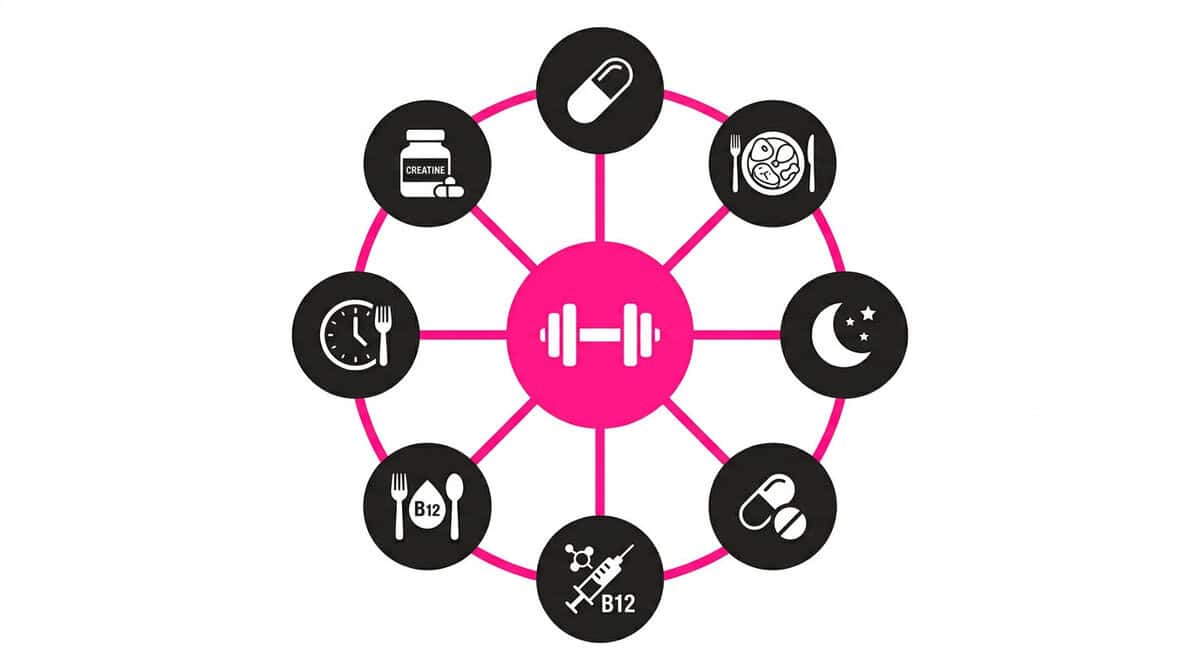
The Harvard study’s mortality numbers reflect the compound effect of strength training combined with healthy lifestyle context. Here is how to maximize every advantage.
Creatine monohydrate (3–5g per day). As covered in the 2026 creatine benefits article, creatine is the only supplement with consistent clinical evidence for enhancing strength training outcomes across every age group. It amplifies the muscle protein synthesis signal that resistance exercise initiates, producing greater strength and muscle mass gains at the same training volume. For adults over 40, this is the highest-value supplement decision in the training context.
Adequate protein (0.7–1g per pound of bodyweight daily). Muscle protein synthesis requires dietary amino acid availability in the hours after training. For plant-based eaters, complete amino acid profiles can be achieved through strategic food combining, beans and rice, lentils and quinoa, edamame and whole grains. The protein quality guide covers sources by bioavailability for both omnivores and plant-based athletes.
Quality deep sleep. The UC Berkeley growth hormone study confirmed that the largest growth hormone surge of the 24-hour day occurs during deep slow-wave sleep in the first two to three hours of the night. This is the primary signal that drives overnight muscle repair after training. Strength training and deep sleep form a mutually reinforcing cycle: training drives deeper sleep, and deeper sleep drives better training adaptation. Breaking this cycle, through the mild sleep restriction documented in the Columbia sleep and weight gain study, directly undermines strength training outcomes even when training volume is maintained.
Magnesium glycinate (200–400mg before bed). Magnesium activates GABA receptors that slow brain activity into deep slow-wave sleep patterns, maximizing the growth hormone release that drives overnight muscle repair. It also supports muscle function and may reduce post-training cramping.
Vitamin B12 sufficiency. As covered in the vitamin B12 and aging article, B12 is required for nerve conduction (every strength training movement requires the motor neuron signal that B12 maintains), red blood cell production (delivering oxygen to working muscles), and protein metabolism. B12 deficiency, common in adults over 50 and in vegetarians/vegans — directly impairs strength training adaptation through all three pathways.
Intermittent fasting and training windows. Time-restricted eating and strength training are compatible and potentially synergistic for body composition, training in the late fasted state maximizes fat oxidation, while adequate protein in the post-training feeding window supports muscle protein synthesis. The key: total daily protein intake matters more than timing alone.
The combination training prescription. The Harvard study’s lowest-risk group combined 90–120 minutes of strength training with 150 minutes of aerobic exercise per week. For practical implementation: two strength sessions plus three 30-minute aerobic sessions (brisk walking, cycling, swimming) per week covers both modalities within a structure most working adults can maintain.
When to See a Doctor Before Starting Strength Training
Medical clearance is strongly recommended before starting if you have:
- Diagnosed cardiovascular disease, a recent heart attack, or unstable angina
- Uncontrolled hypertension (blood pressure consistently above 180/110)
- Recent orthopedic surgery or active joint injury with swelling
- Severe osteoporosis with a history of fragility fractures
- Type 2 diabetes managed with insulin (strength training significantly alters blood glucose, and medication adjustment may be needed in the first weeks)
- Age 70 or above with no regular physical activity in the past five years
Stop a session immediately and seek medical attention if you experience:
- Chest pain, pressure, tightness, or burning during or after exercise
- Severe shortness of breath out of proportion to the effort level
- Dizziness, lightheadedness, or near-fainting
- Heart palpitations or a feeling of irregular heartbeat
- Sudden severe headache or blurred vision
For most healthy adults, no special clearance is needed, the risk of beginning a moderate-intensity strength training program at the doses studied (90–120 minutes per week at manageable loads) is far lower than the documented risk of remaining sedentary. The study’s 13–27% mortality reductions represent the cost of not starting, not the risk of beginning.
This article is for informational purposes and does not replace medical advice. Individuals with pre-existing health conditions should discuss exercise plans with their healthcare provider.
FAQs About Strength Training Benefits
What are the most important strength training benefits for adults over 40? The Harvard 30-year study documents a 13% lower all-cause mortality, 19% lower cardiovascular disease death, and 27% lower neurological disease death (including dementia) at just 90–120 minutes per week. Beyond mortality: sarcopenia prevention, bone density improvement, insulin sensitivity, extended deep sleep, reduced depression, and visceral fat reduction, making strength training the most comprehensive anti-aging intervention available without a prescription.
How many times per week should I strength train for maximum longevity benefits? The sweet spot is 90–120 minutes per week, achievable through 2–4 sessions. The Harvard data showed benefits plateau beyond 120 minutes, more training produced no additional mortality reduction. Consistency over months and years matters far more than any single session’s volume.
Is 90 minutes of strength training per week really enough? Yes. This is the most empowering finding of the Harvard study: 90–119 minutes per week produced the full spectrum of mortality benefits. Smaller amounts still provided cancer protection. Beyond 120 minutes, no additional mortality benefit was observed. Quality and consistency at the threshold outperform occasional high-volume training.
Does strength training help prevent Alzheimer’s disease? The Harvard data found 27% lower neurological disease death in those doing 90–120 minutes per week, the study’s most striking finding. The mechanism involves BDNF release, improved cerebrovascular blood flow, reduced neuroinflammation, and extended deep sleep (which enables glymphatic amyloid clearance). Strength training is the strongest lifestyle-based neurological protection in the evidence base.
What is better for longevity — strength training or cardio? Both, combined. Strength training alone reduced all-cause mortality 13%; aerobic alone approximately 17%; combined approximately 27%. The paradigm shift from the Harvard data: strength training’s longevity benefits rival aerobic exercise and exceed it specifically for neurological protection.
Can I do strength training at home without a gym? Yes, the Harvard study included bodyweight exercises like push-ups, squats, and lunges in its definition of strength training. Resistance bands, dumbbells, and household items all qualify. Three to four 20–30 minute home sessions per week reaches the threshold.
How quickly will I see strength training benefits? Neural strength improvements: 2–3 weeks. Measurable muscle changes: 6–8 weeks. Sleep quality improvements: 2–4 weeks. Metabolic benefits (insulin sensitivity, fasting blood glucose): 4–6 weeks. Mortality benefits reflected in the Harvard data represent decades of consistent training, but the biological changes driving them begin within weeks.
Is strength training safe for people with osteoporosis? For most, yes, and it’s the most evidence-based bone-density intervention available, more effective than calcium supplements at standard doses for most adults. Those with severe osteoporosis or fragility fracture history should begin with medical guidance and physical therapy supervision. Controlled progressive loading is safe and beneficial; ballistic or high-impact movements should be avoided.
Does strength training help with weight loss more than cardio? Aerobic exercise burns more calories per session. Strength training raises resting metabolic rate permanently through added muscle tissue and dramatically improves insulin sensitivity. The combination produces the strongest fat loss and body composition outcomes, the Harvard data shows both modalities working synergistically for metabolic health.
What strength training exercises are best for seniors? Goblet squat, Romanian deadlift, seated overhead press, bent-over row, and farmer’s carry, in that priority order. Lower body strength (squat) and grip strength (farmer’s carry) are the two biomarkers most consistently associated with all-cause longevity in older adults across every demographic studied.