Scientists have finally answered one of the most frustrating questions in health, why belly fat increases with age even when your diet hasn’t changed, and the answer lies in a newly discovered stem cell that your body only starts producing in middle age. A landmark study published in Science and highlighted by ScienceDaily on June 27, 2026, identifies for the first time a specific biological switch that turns on in your midsection as you age and actively manufactures new fat cells in your abdomen regardless of what you eat. Here is what the science reveals, who it affects most, and what you can do about it starting today.
The 2026 Discovery: Why Belly Fat Increases With Age at the Cellular Level
Until now, the conventional explanation for middle-age belly fat was vague: your metabolism slows, your hormones shift, you move less. What scientists couldn’t explain was why the abdomen specifically changes while the rest of the body may remain relatively stable, and why this happens even in people who haven’t changed their eating or exercise habits.
The June 2026 City of Hope research, published in Science, the world’s most authoritative peer-reviewed journal, answers that question at the cellular level for the first time.
In younger bodies, a type of fat stem cell called adipocyte progenitor cells (APCs) sits largely dormant. It produces new fat cells, but modestly. What the City of Hope team discovered is that aging transforms a portion of these APCs into an entirely new cell type they named committed preadipocytes, age-specific, or CP-As. This transformation happens specifically in middle age, and CP-As are dramatically more productive at generating new fat cells than their younger counterparts.
In the research team’s experiments, when APCs from older animals were transplanted into younger animals, those older cells rapidly generated enormous amounts of new fat cells, confirming that the fat-making drive comes from the cells themselves, not from the body’s broader environment. Aging, in other words, doesn’t just slow your fat-burning. It switches on a new engine for building more fat.
The biological mechanism behind this switch is the LIFR signaling pathway. When LIFR activity increases with age, it triggers the conversion of ordinary APCs into CP-As. This makes LIFR a highly promising target for future drug therapies aimed at reducing abdominal fat accumulation, though human treatments are still years away from clinical availability.
As Dr. Adolfo Garcia-Ocana, PhD, Chair of the Department of Molecular and Cellular Endocrinology at City of Hope, stated: “While most adult stem cells’ capacity to grow wanes with age, the opposite holds true with APCs, aging unlocks these cells’ power to evolve and spread. This is the first evidence that our bellies expand with age due to the APCs’ high output of new fat cells.”
That framing is worth sitting with. This isn’t about willpower. This isn’t about eating more. This is a biological switch that activates new fat-producing machinery specifically in your midsection as you get older.
Why Belly Fat Increases With Age Faster Than Other Body Fat
The CP-A discovery explains the biological mechanism, but it doesn’t operate in isolation. Understanding why belly fat increases with age faster than fat anywhere else requires looking at three compounding factors that stack on top of each other in middle age.
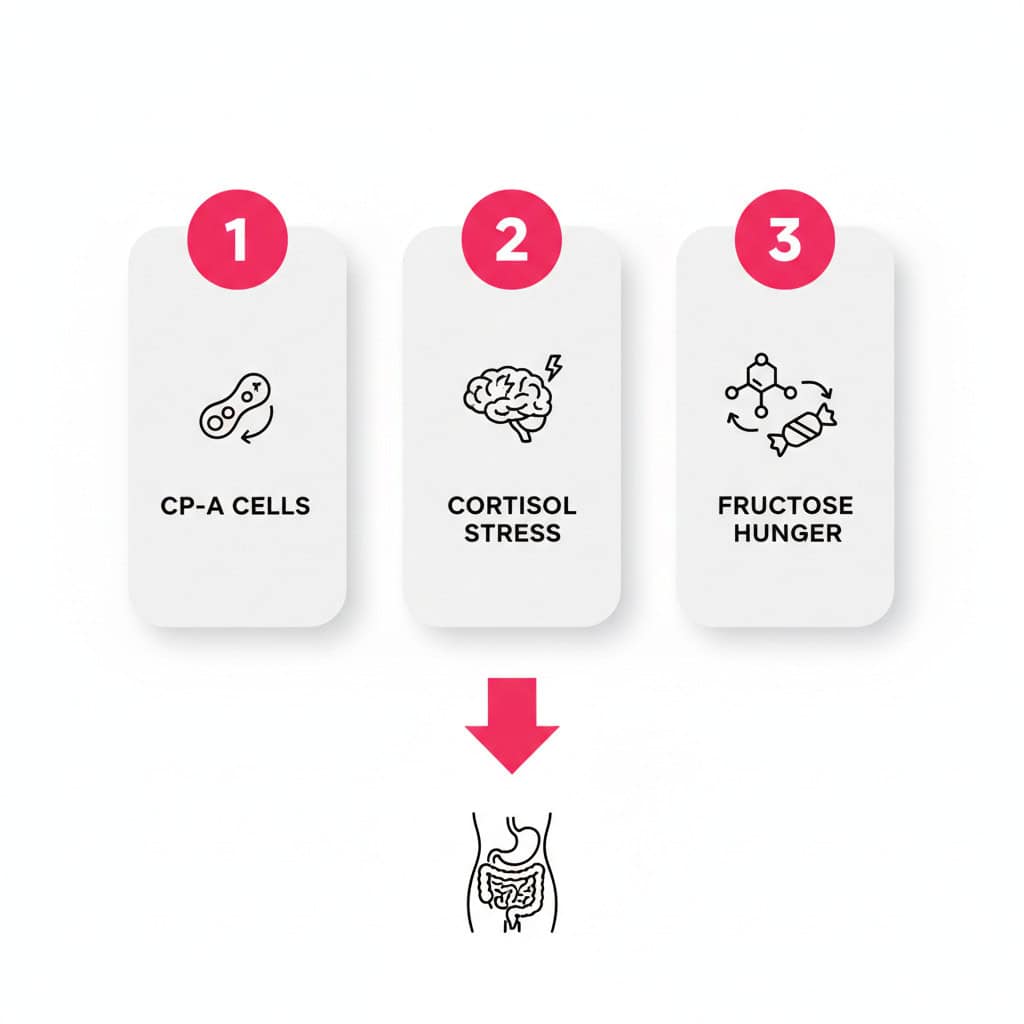
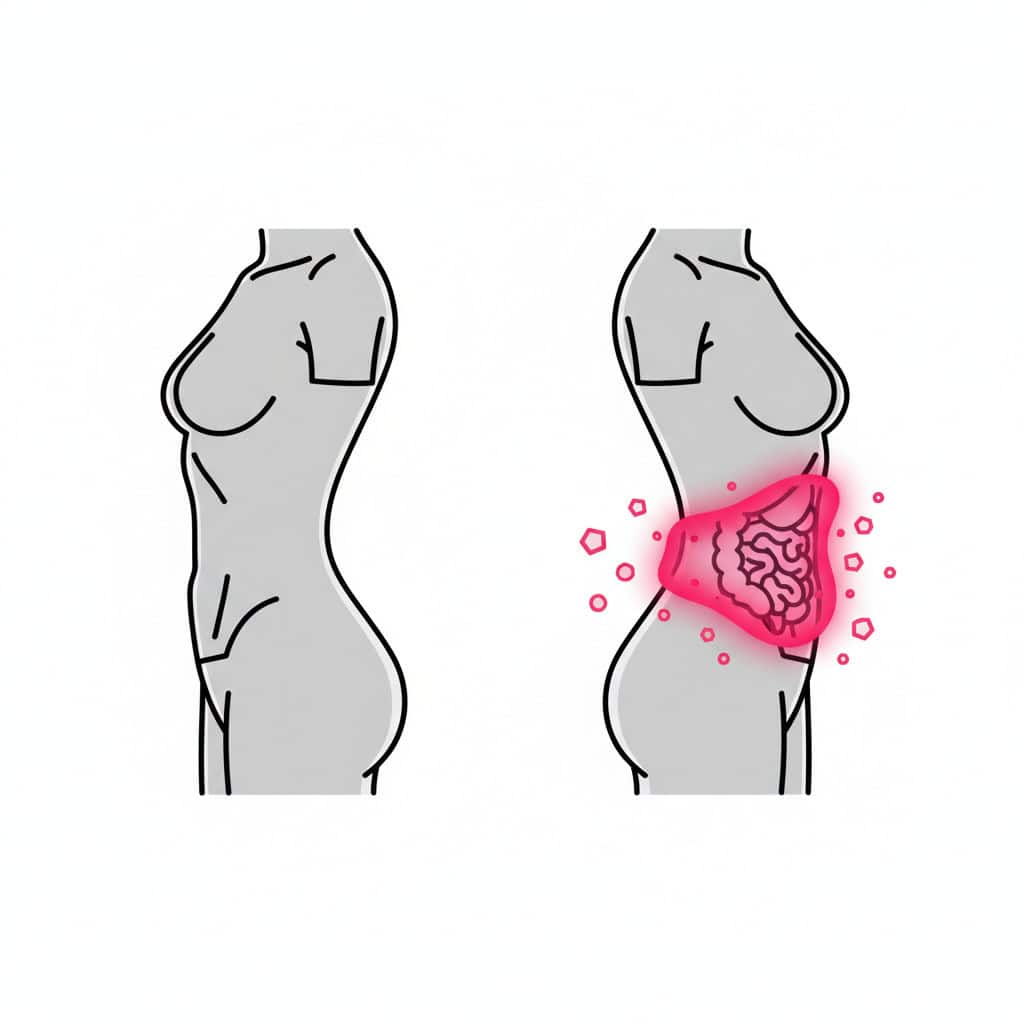
Factor 1 — The CP-A Stem Cell Surge (New 2026 Science). The cells described above activate specifically in white adipose tissue (WAT) in the abdominal region, not uniformly throughout the body. That regional specificity is precisely why the waist changes while arms and legs may look similar to how they looked a decade ago. The biological fat-manufacturing upgrade is localized to the midsection.
Factor 2 — Cortisol and the Stress Hormone Cascade. Chronic stress elevates cortisol, which specifically instructs the body to store fat in the visceral compartment, around the organs, deep in the abdomen. Middle age typically brings peak levels of career, financial, and caregiving stress, and cortisol capitalizes on that pressure by directing fat storage exactly where it causes the most metabolic damage. When this hormonal signal meets newly activated CP-A cells, the result is accelerated abdominal fat accumulation that wouldn’t have happened at the same cortisol exposure 20 years earlier. Managing cortisol through quality sleep, stress reduction, and regular movement isn’t just lifestyle advice, it’s a direct countermeasure to this fat-storage pathway. For men specifically, ashwagandha’s effect on cortisol levels is one natural approach that carries emerging evidence.
Factor 3 — The Fructose Hunger Loop. A separate study published in ScienceDaily on June 26, 2026, just one day before the CP-A research found that fructose and glucose appear identical on a nutrition label but the brain processes them through entirely different pathways. Fructose had a significantly weaker effect on the hunger-suppressing brain cells than glucose did, meaning fructose-rich processed foods drive more eating without producing the satiety signal that normally stops you. Ultra-processed foods that dominate middle-age convenience eating, sweetened beverages, packaged snacks, cereals, sauces, are overwhelmingly high in fructose. That fructose-driven hunger loop provides a continuous calorie stream that feeds the newly active CP-A cells directly. This connects directly to why diet choices drive metabolic fat storage differently depending on food type.
These three factors, new fat stem cells, a cortisol surge, and a fructose-powered appetite loop, don’t just add together in middle age. They amplify each other.
Why Belly Fat Is More Dangerous Than Fat Anywhere Else
Not all body fat is created equal. The distinction between subcutaneous fat and visceral fat is one of the most important things anyone over 40 can understand about their health.
Subcutaneous fat is the fat you can physically pinch beneath your skin. It sits between the skin and the muscle wall. It’s cosmetically visible but metabolically relatively inert.
Visceral fat is the fat packed around your internal organs, liver, pancreas, intestines, kidneys, deep inside the abdominal cavity. You often can’t see it or feel it from the outside, even when you don’t appear overweight. This is the fat that the CP-A cells are building, and it is metabolically active in ways that directly threaten your health.
Visceral fat releases cytokines that trigger chronic low-level inflammation throughout the body. It produces a precursor to angiotensin that raises blood pressure. Even when visceral fat accounts for only about 10% of total body fat, it can meaningfully elevate blood pressure, blood sugar, and cholesterol levels, and raise the risk of fatty liver disease.
The cascading disease risk is substantial: visceral fat is a direct driver of type 2 diabetes through insulin resistance, a significant contributor to cardiovascular disease risk including heart attack and stroke, linked to elevated risk for certain cancers (colorectal, breast, endometrial), and associated with non-alcoholic fatty liver disease, obstructive sleep apnea, and all-cause mortality.
BMI is an unreliable indicator of visceral fat because a person with a “normal” BMI can carry dangerous levels of visceral fat, while a heavier person can have relatively low visceral fat. Waist circumference is the more relevant metric.
How to measure your visceral fat risk right now:
- Stand naturally and breathe out normally, don’t suck in
- Place a tape measure around the widest part of your abdomen, just above the hip bones
- Women: a measurement above 35 inches (88 cm) signals elevated visceral fat risk
- Men: a measurement above 40 inches (102 cm) signals elevated visceral fat risk
If you are near or above those thresholds, the lifestyle strategies in the next sections are directly relevant to your health, not just your appearance.
The Best Exercises to Reduce Belly Fat After 40 (Ranked by Evidence)
Exercise is non-negotiable for visceral fat reduction after 40. But not all exercise is equally effective, and knowing the hierarchy matters. Here is how it ranks.
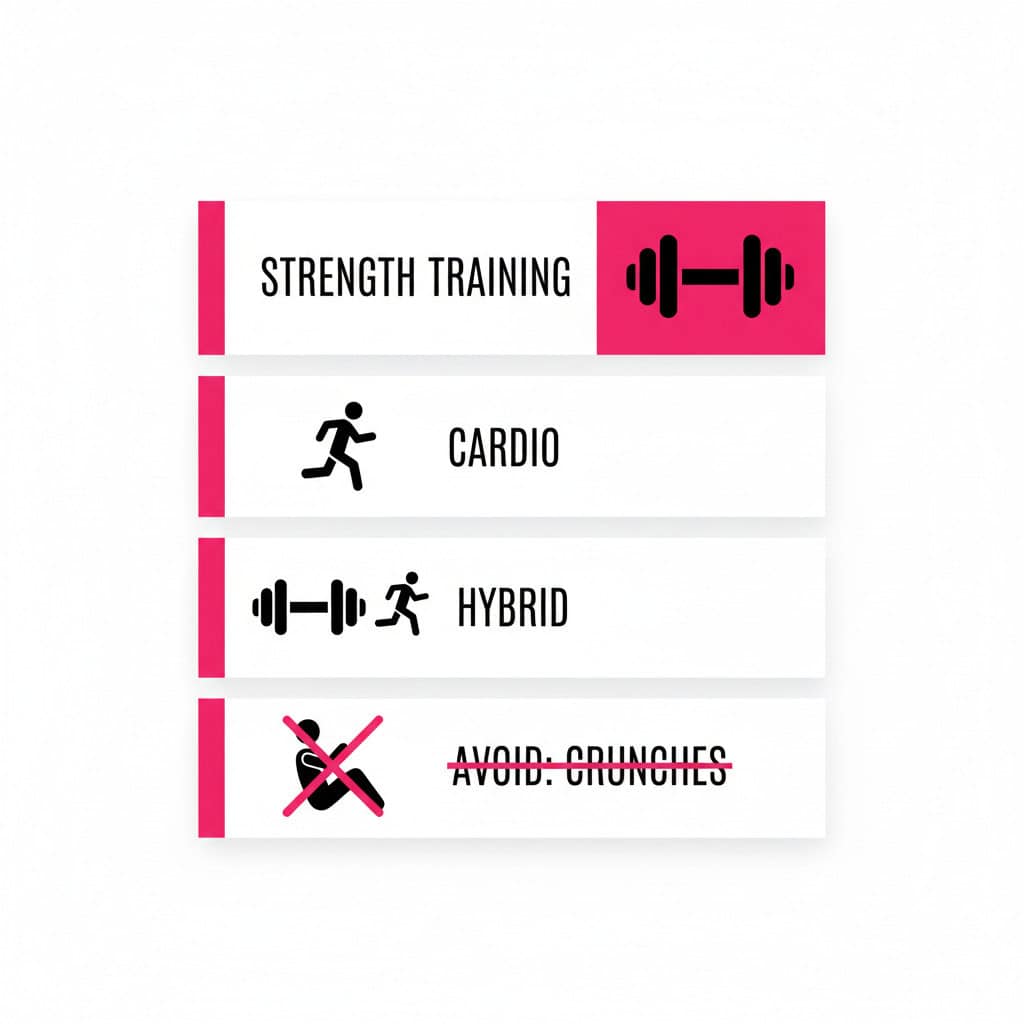
#1 — Strength and Resistance Training (Most Effective for Visceral Fat Specifically)
The most evidence-backed intervention for visceral fat is building muscle, and it works through two mechanisms simultaneously. First, increased muscle mass improves metabolic rate and glucose uptake, reducing the insulin signal that drives fat storage. Second, emerging evidence suggests resistance exercise may suppress CP-A activity, the newly discovered fat stem cells by shifting the fat-free mass to fat-mass ratio in ways that modulate adipocyte progenitor behavior.
Minimum: two full-body resistance sessions per week, with at least one rest day between sessions. Progressive overload matters, you need to consistently challenge the muscle to maintain and build mass. This is the single most important intervention for anyone over 40 who wants to reduce belly fat without losing muscle alongside it.
#2 — Aerobic Exercise (Essential But Not Sufficient Alone)
150 to 300 minutes of moderate-intensity aerobic exercise per week per AHA guidelines remains a strong baseline. High-intensity interval training (HIIT), alternating between short bursts of intense effort and recovery periods, has shown superior visceral fat reduction compared to steady-state cardio at equal time investment in multiple meta-analyses.
Aerobic exercise works on belly fat through a specific pathway: it reduces circulating insulin levels (which otherwise signal the body to retain fat) and causes the liver to draw down fatty acids from nearby visceral fat deposits first. The evidence-backed approach to exercise for metabolic health consistently shows that duration and consistency matter more than any particular modality.
#3 — Combination Training (The Strongest Protocol)
Research across age groups consistently shows the greatest visceral fat reduction from combining resistance training with aerobic exercise, not choosing between them. A practical structure for people over 40: two resistance sessions and two aerobic or HIIT sessions per week, with rest or light activity on the remaining days.
What DOESN’T Work: Spot Reduction
Crunches and sit-ups do not remove belly fat. They build the abdominal muscles underneath the fat, which improves posture and core stability, but they have no direct effect on fat cell reduction in that region. Similarly, liposuction removes subcutaneous fat but not visceral fat, and it does not improve the metabolic health markers that make visceral fat dangerous.
The Diet Changes That Target Visceral Fat Specifically
Exercise alone without dietary change reduces visceral fat, but the combination is significantly more powerful. Here are the dietary shifts that have the strongest evidence for abdominal fat specifically, far more targeted than generic calorie reduction.
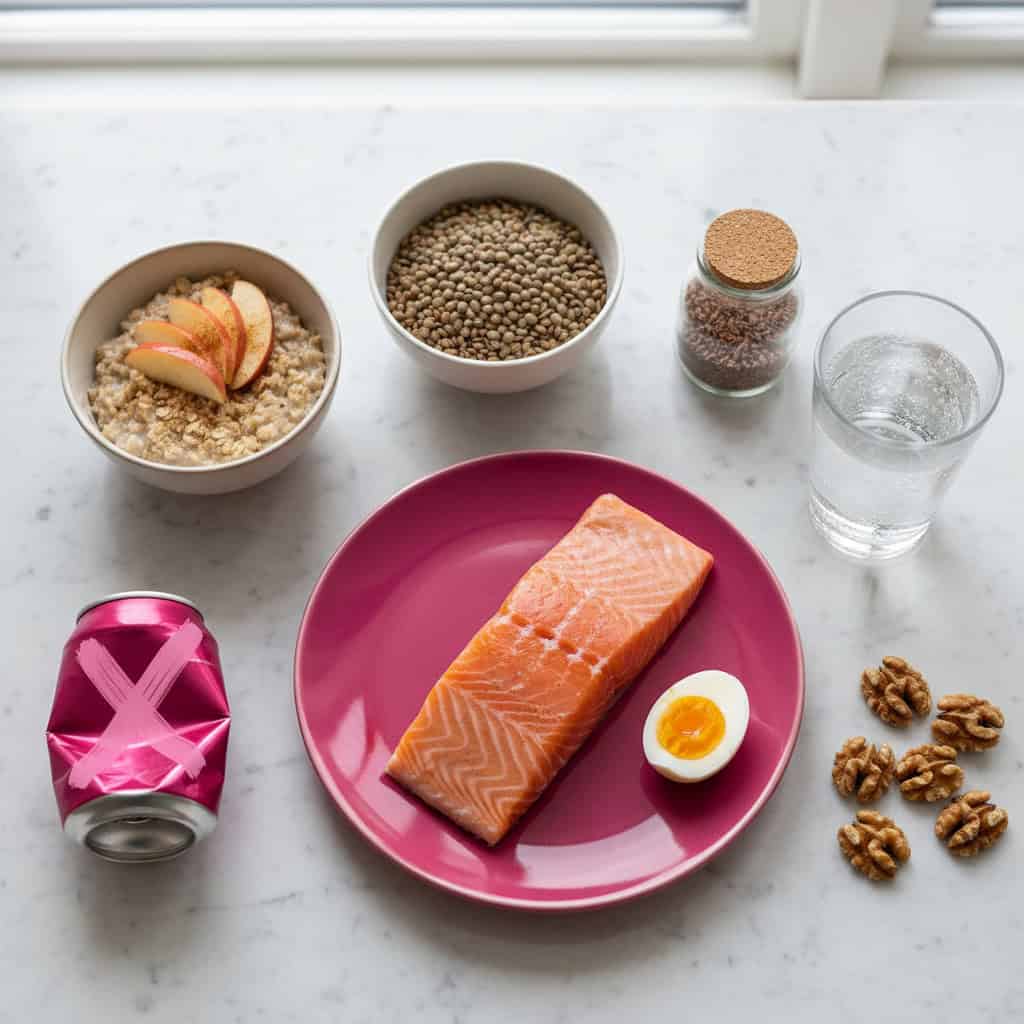
Reduce fructose and ultra-processed carbohydrates. The June 2026 fructose-brain study explains precisely why sugary drinks and processed snacks specifically drive belly fat accumulation, they bypass normal hunger suppression, keeping appetite elevated even as fat stores increase. Practical swaps that matter: replace fruit juice (even 100% juice) with whole fruit; replace sweetened beverages with water, sparkling water, or unsweetened green tea; replace high-fructose packaged snacks with whole-food alternatives. The same process driving increased snacking in your 40s, hormonal changes, insulin fluctuation, poor sleep, is also the fructose loop’s feeding ground.
Increase soluble fiber. Soluble fiber slows digestion, stabilizes blood sugar, extends satiety, and is directly associated with lower visceral fat in multiple long-term studies. The Framingham Heart Study found that the highest whole-grain consumers were 17% less likely to carry excess abdominal fat compared to those eating primarily refined grains. Best sources: oats, barley, lentils, beans, apples, flaxseeds, and psyllium husk.
Shift to a lower refined-carbohydrate approach. Johns Hopkins research found that when weight loss was achieved through a low-carbohydrate diet versus a low-fat diet, the low-carb group lost significantly more total weight and showed greater improvement in arterial flexibility as belly fat shrank. The goal isn’t zero carbohydrates, it’s replacing refined carbs (white bread, white rice, sugary drinks) with complex carbohydrates, protein, and healthy fats.
Prioritize protein at every meal. Protein is the most important macronutrient for preserving muscle mass during fat loss, critical after 40, when muscle loss already accelerates at 3–8% per decade. Higher protein intake also increases satiety significantly more than carbohydrates or fat. Target 0.7 to 1 gram per pound of body weight daily. Best sources: eggs, Greek yogurt, legumes, lean meat, fish, and cottage cheese.
Adopt a Mediterranean eating pattern overall. The Mediterranean diet consistently shows the strongest evidence for visceral fat reduction across long-term studies, not because it’s a “diet” in the restrictive sense, but because its structure (olive oil, fish, legumes, vegetables, whole grains, minimal ultra-processed food) directly counters every driver of middle-age belly fat simultaneously. It is also the same pattern recommended for gut microbiome support and metabolic health, and for those considering plant-forward eating, a well-planned plant-based diet can also significantly reduce visceral fat when it’s structured around whole foods rather than ultra-processed plant alternatives.
For those dealing with persistently elevated abdominal fat despite these changes, understanding GLP-1’s role in fat regulation is worth reading: why Ozempic and GLP-1 medications sometimes don’t work as expected depends heavily on whether the underlying lifestyle drivers are in place first.
The Sleep-Stress-Belly Fat Triangle
This is the section most belly fat articles skip entirely, and it may be the most important for people in their 40s and 50s who are doing everything else right.
Sleep deprivation raises cortisol. Cortisol directs fat storage to the visceral compartment. Those newly active CP-A cells then convert that fat signal into permanent new fat cells. The chain is that direct.
Sleep apnea makes this worse in a particular way: excess visceral fat worsens the airway obstruction that causes apnea, which disrupts sleep and raises cortisol further, which drives more fat into the visceral compartment. It is a biologically reinforcing cycle, and it’s one of the reasons sleep apnea and abdominal obesity so often appear together.
Stress is uniquely damaging here. Cortisol doesn’t just prevent fat from being lost, it actively redirects stored energy toward the visceral compartment. Peak career stress, financial pressure, caregiving demands, and disrupted sleep schedules all conspire in middle age to keep cortisol elevated at exactly the moment CP-A stem cells are coming online.
Practical cortisol reduction strategies with evidence behind them:
- Sleep 7–9 hours. This is not optional. Consistently sleeping fewer than six hours is associated with significantly higher visceral fat accumulation independent of diet and exercise.
- Magnesium supplementation for sleep quality. Magnesium glycinate is the most-studied form for improving sleep onset and sleep quality, a validated, low-risk support strategy for anyone whose sleep is disrupted by stress.
- Structured movement as cortisol regulation. Even a 20-minute walk significantly lowers cortisol. Yoga specifically has demonstrated cortisol-reduction effects in multiple clinical trials. Yoga for stress and flexibility is a low-injury-risk practice that fits into middle-age schedules without the recovery demands of high-intensity training.
- Ashwagandha for HPA axis support. Ashwagandha supplementation has evidence for reducing salivary cortisol levels in chronically stressed adults, with particular research support in the over-40 male population.
Age-Specific Belly Fat Strategies: Your 40s vs. 50s vs. 60s+
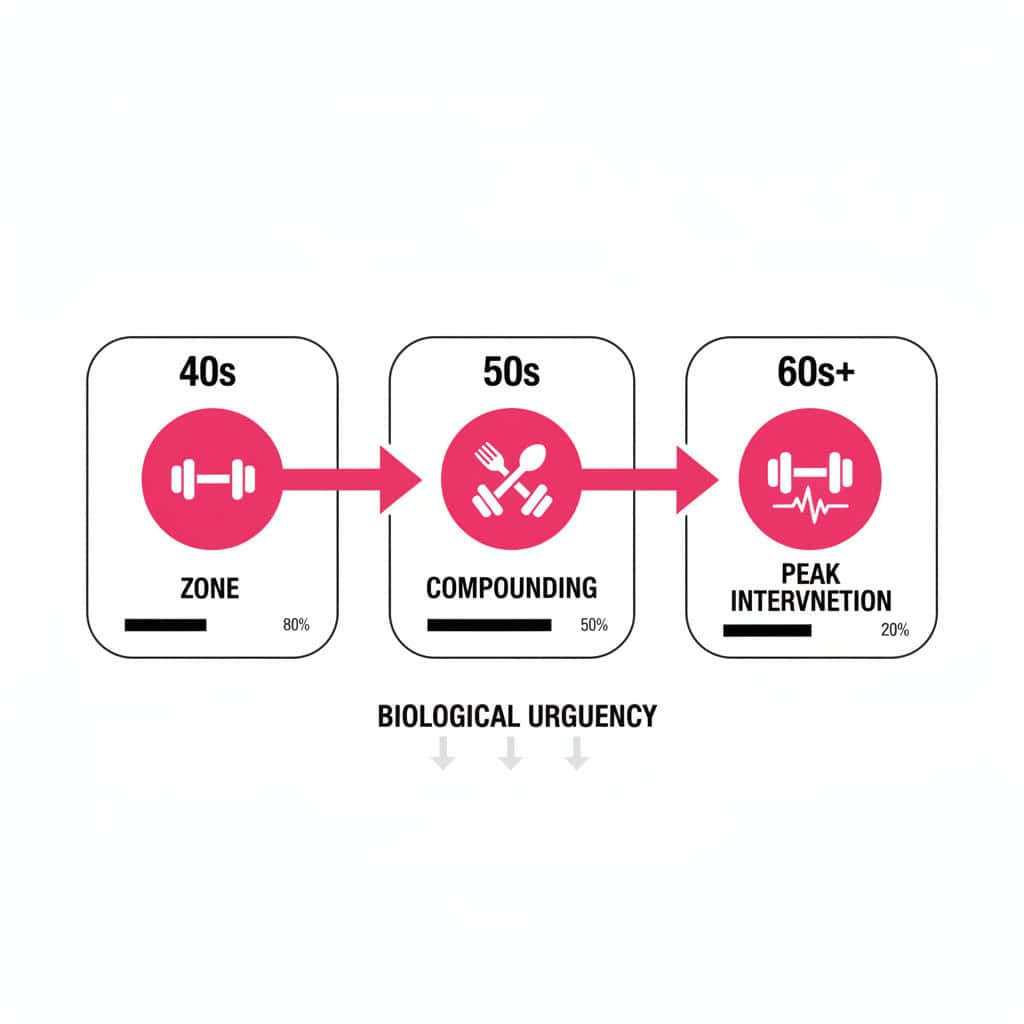
The same biology plays out differently depending on where you are in the timeline. Here’s what matters most at each decade.
In Your 40s — This Is the Intervention Window
CP-A cells are just starting to activate. The fructose-hunger loop may be becoming more pronounced as insulin sensitivity naturally begins to shift. The hormonal changes aren’t yet severe. This is the decade where investing in resistance training, cleaning up ultra-processed food habits, prioritizing sleep, and managing stress pays off most disproportionately, because you’re acting before the systems entrench.
The most important single action in your 40s: begin a consistent resistance training routine and don’t stop. This is harder to start in your 50s and pays bigger dividends if it’s already a habit. The science-backed health habits most relevant to this decade center on building systems, not just willpower. Intermittent fasting is also worth considering in the 40s as a tool for reducing visceral fat through insulin regulation.
In Your 50s — Hormonal Compounding
In women, menopause shifts fat distribution from the hips and thighs to the abdomen as estrogen declines. In men, decreasing testosterone reduces the body’s capacity to burn visceral fat efficiently. These hormonal changes layer on top of the CP-A activation that was already underway, making the 50s the decade where most people first notice significant waistline changes.
Focus in this decade: combination training (resistance plus aerobic), aggressive protein prioritization (0.8–1g per pound body weight), Mediterranean diet structure, and waist circumference monitoring every three months. Don’t cut calories aggressively without increasing protein, you will lose muscle, which makes the visceral fat problem worse over time.
In Your 60s+ — Muscle Preservation Is the Priority
Visceral fat accumulation risk peaks in the 60s, but visceral fat also responds relatively quickly to lifestyle changes at this age, particularly resistance training. The challenge is that traditional calorie-restriction approaches to weight loss at this age often result in significant muscle loss alongside fat loss, which reduces functional strength and raises long-term metabolic risk.
The emphasis shifts: resistance training to preserve and rebuild muscle comes first. Managing blood sugar through diet and activity takes priority alongside it. For people in this decade with waist circumference significantly above the risk threshold and who haven’t seen meaningful improvement from sustained lifestyle change, discussing GLP-1 medication options with a doctor is a reasonable next step.
When to See a Doctor About Belly Fat
Belly fat is not purely a cosmetic concern, and there are specific scenarios that warrant medical evaluation rather than lifestyle experimentation alone.
Seek medical attention if you experience:
- Rapid unexplained abdominal weight gain without a clear dietary change
- Waist circumference above 35 inches (women) or 40 inches (men) alongside other risk factors, elevated blood pressure, fatigue, high fasting blood sugar, or family history of diabetes or heart disease
- An existing diagnosis of type 2 diabetes, hypertension, or fatty liver disease, visceral fat directly worsens all three, and the treatment plan should account for it
- Signs consistent with Cushing’s syndrome (a cortisol disorder): very rapid midsection weight gain with relatively thin limbs, purple stretch marks, a fatty deposit at the back of the neck (“buffalo hump”), and easy bruising
Conversations worth having at your next appointment:
- Request a fasting glucose and HbA1c test, visceral fat drives insulin resistance, and early detection changes outcomes
- Ask about waist-to-height ratio as a more accurate visceral fat marker than BMI (healthy: waist circumference less than half your height)
- If lifestyle changes over six or more months haven’t reduced waist circumference, discuss whether GLP-1 receptor agonists are appropriate, these medications can produce meaningful reductions in visceral fat under medical supervision, though they aren’t the right choice for everyone and carry potential side effects
This article is for informational purposes and is not a substitute for medical advice. If you’re concerned about belly fat and its health implications, speak with your healthcare provider.
FAQs About Why Belly Fat Increases With Age
Why does belly fat increase with age even when I eat the same amount? A June 2026 study published in Science by City of Hope researchers found that a new type of stem cell called CP-As activates specifically in middle age and actively generates new fat cells in the abdominal region, regardless of calorie intake. This biological switch, activated through the LIFR signaling pathway, is the first confirmed cellular explanation for why belly fat increases with age independent of diet.
What are CP-A stem cells and can we stop them? CP-As are a newly discovered subtype of fat stem cell that emerges from regular adipocyte progenitor cells (APCs) in middle age. They produce new fat cells at a dramatically higher rate than younger APCs. The LIFR pathway that activates them is a promising future drug target, but no therapy currently blocks CP-As. Strength training and fructose reduction are the lifestyle interventions with the most biological relevance to countering their activity.
Does menopause cause belly fat? Yes. The decline in estrogen during menopause shifts fat redistribution from hips and thighs to the abdominal area. This hormonal effect compounds the CP-A activation that’s already underway, making the 50s particularly challenging for women managing waistline changes.
What is the fastest way to lose visceral fat? The fastest evidence-based approach combines resistance training (minimum twice weekly) with aerobic or HIIT exercise (150+ minutes per week), a diet cutting refined fructose and ultra-processed carbohydrates, 7–9 hours of sleep, and stress management. Under medical supervision, GLP-1 medications are the most effective pharmacological intervention when lifestyle changes haven’t been sufficient.
Is belly fat after 50 dangerous? Yes. Visceral fat produces inflammatory signals that directly raise blood pressure, impair blood sugar control, and elevate risk for type 2 diabetes, heart disease, certain cancers, fatty liver disease, and sleep apnea. The good news is that visceral fat responds to lifestyle changes more quickly than other fat types.
Do crunches reduce belly fat? No. Spot reduction is not physiologically possible. Crunches build the underlying abdominal muscles but have no direct effect on the fat above them. Total-body resistance training combined with aerobic exercise is what actually reduces visceral fat.
Can intermittent fasting target visceral fat specifically? Evidence suggests yes, more than standard caloric restriction alone. Fasting periods lower insulin and stimulate preferential fat mobilization from visceral stores. Multiple studies show fasting protocols produce greater visceral fat reductions at equivalent caloric restriction.
What waist size is too big for my health? Per NIH guidelines: above 35 inches (88 cm) for women and above 40 inches (102 cm) for men signals elevated visceral fat risk. Use this alongside other health markers, not as a standalone diagnosis.
Does stress actually cause belly fat? Yes, through a direct mechanism. Elevated cortisol specifically directs fat storage to the visceral abdominal compartment. It also elevates appetite and drives cravings for high-calorie foods, feeding the CP-A fat-building cycle. Sleep deprivation produces the same cortisol elevation.
At what age does belly fat become hardest to lose? The 2026 research suggests the 40s are when the CP-A biological switch activates, making intervention in this decade the most impactful. By the 50s and 60s, hormonal changes layer on top of the stem cell effect. However, visceral fat responds to lifestyle change at every age, particularly resistance training, which remains effective into the 70s and beyond.