Vitamin D deficiency and belly fat are each well-known health risks on their own, but a University College London and Federal University of São Carlos study of 5,520 adults tracked over six years, published in Diabetes, Obesity and Metabolism (2026;28:6607–6617, DOI: 10.1111/dom.70839) and highlighted by ScienceDaily on August 13, 2026, found that the two conditions together create a deadly feedback loop that more than doubles the risk of premature death, with belly fat actively trapping vitamin D in adipose tissue and preventing it from circulating through the body. For tens of millions of adults over 50 who carry both risk factors simultaneously, a combination that is far more common than either condition alone — this is the most alarming aging health finding of 2026. Here is what the numbers mean, who is most at risk, and exactly what to do to break the cycle.
This article is for informational purposes only. Vitamin D supplementation above 2,000 IU/day should be guided by physician monitoring. Do not self-prescribe high-dose vitamin D without blood test confirmation.
The 2026 ELSA Study: How Vitamin D Deficiency and Belly Fat Create a 123% Higher Death Risk
The ELSA (English Longitudinal Study of Ageing) is one of the world’s most authoritative aging cohort studies, conducted in partnership with University College London. Professor Tiago Silva Alexandre at the Federal University of São Carlos led this analysis, with UCL collaborators including researchers from the Department of Epidemiology and Public Health.
The study population. 5,520 individuals aged 50 and older were observed over six years. Waist circumference and serum 25-hydroxyvitamin D levels were measured at baseline. Mortality was tracked across the follow-up period using national death records.
The statistical thresholds.
- Vitamin D deficiency: serum 25-OH-D below 30 nmol/L (below 12 ng/mL)
- Abdominal obesity: waist circumference above 102 cm (40 inches) for men; above 88 cm (34 inches) for women
The risk findings — individual and combined:
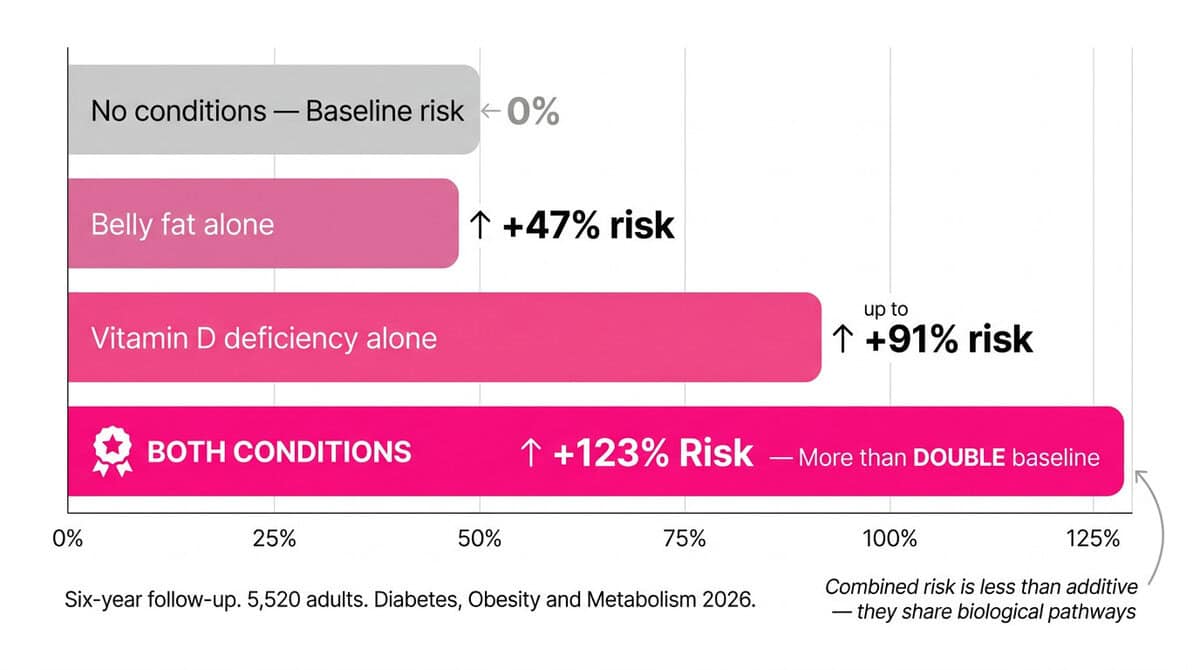
| Condition | Relative Mortality Risk | Hazard Ratio |
| Neither condition | Baseline (reference) | 1.00 |
| Abdominal obesity alone | 47% higher | 1.47 |
| Vitamin D deficiency alone | Up to 91% higher | ~1.91 |
| Both conditions combined | 123% higher | 2.23 |
The counterintuitive statistical finding. The combined risk (123%) is less than the simple addition of the individual risks (47% + 91% = 138%), yet still more than double the baseline. This sub-additive pattern suggests the two conditions share biological pathways rather than operating entirely independently, they amplify the same underlying mechanisms (inflammation, immune dysregulation, metabolic dysfunction) rather than adding separate, unrelated risks.
The essential statistical calibration. 123% describes the relative difference in death risk between groups after statistical adjustment, not a 123% absolute probability of dying. This is relative risk in a cohort study. However, relative risk of this magnitude in a 6-year longitudinal study of 5,500 people, after rigorous adjustment for demographics, lifestyle, comorbidities, and medications, is one of the strongest aging mortality signals in recent research.
Professor Tiago Silva Alexandre on the mechanism: “Abdominal obesity is a well-known risk factor because it’s associated with inflammation and metabolic problems. Vitamin D, on the other hand, is a hormone that acts on various organs, and its deficiency impairs several bodily functions. When these two conditions occur together, one amplifies the effects of the other, further increasing the risk of death.”
Why Vitamin D Deficiency and Belly Fat Form a Dangerous Feedback Loop — The Biology Explained
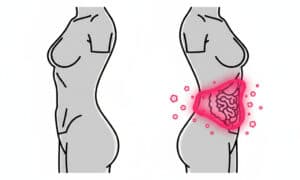
The biological mechanism connecting vitamin D deficiency and belly fat is more than a coincidence of two common conditions, it is a self-perpetuating cycle in which each condition actively makes the other worse, creating a compounding biological debt that accelerates over years and decades.
Step 1 — Belly Fat Sequesters Vitamin D
Vitamin D is a fat-soluble vitamin, it dissolves in and accumulates within fat tissue. Visceral and subcutaneous adipose tissue acts like a biological sponge, pulling 25-hydroxyvitamin D out of the bloodstream and sequestering it in fat cells. Once inside adipocytes, sequestered vitamin D cannot reach the vitamin D receptors (VDRs) expressed on immune cells, muscle fibers, neurons, cardiac tissue, and bone-forming osteoblasts.
This is why obese adults can have the same vitamin D intake, the same sun exposure, and even the same blood test reading as lean adults, yet still be functionally vitamin D deficient at the tissue level. The fat tissue is holding the vitamin D captive, invisible to both the person and their blood test.
The size of this effect is clinically significant. A study in The Journal of Clinical Endocrinology & Metabolism found that obese adults may need 2–3 times the vitamin D intake of lean adults to achieve equivalent circulating levels, purely because of adipose sequestration.
Step 2 — Low Circulating Vitamin D Removes the Inflammatory Brake
Vitamin D is not just a vitamin, it is a hormone with vitamin D receptors present throughout the immune system, including on macrophages, T cells, B cells, and dendritic cells. When circulating vitamin D is adequate, it actively suppresses the production of pro-inflammatory cytokines, particularly IL-6, TNF-α, and CRP. These are the same cytokines that characterize “inflammaging”, the chronic low-grade inflammation that drives virtually every age-related disease from cardiovascular disease to dementia to cancer.
When belly fat sequesters vitamin D below the functional threshold, this immunological brake is lifted. IL-6 and TNF-α production is no longer suppressed, and chronic systemic inflammation accelerates, connecting directly to the brain age and dementia sleep research, the obesity-Alzheimer’s ceramide pathway, and the biological aging epigenetic clock, all of which identify chronic inflammation as the central accelerant of aging.
Step 3 — Inflammation Promotes More Visceral Fat
The elevated inflammatory cytokines from vitamin D deficiency — particularly IL-6 and TNF-α, directly promote adipogenesis (the creation of new fat cells) and visceral fat accumulation by:
- Activating the HPA axis → elevating cortisol → driving central fat deposition
- Directly stimulating adipocyte differentiation and proliferation
- Impairing insulin sensitivity → elevating insulin → increasing fat storage signals
This is the same inflammatory cascade connecting to the CP-A stem cell belly fat accumulation mechanism, the immune-inflammatory environment created by vitamin D deficiency amplifies the same fat-accumulating processes.
Step 4 — More Belly Fat Sequesters More Vitamin D
The cycle completes: the additional visceral fat created by vitamin D deficiency-driven inflammation pulls even more vitamin D from the circulation, further deepening the deficiency, further worsening the inflammation, further promoting fat accumulation. Each year without intervention tightens the loop.
Why this cycle is uniquely dangerous for fat-soluble vitamins. Water-soluble vitamins, B vitamins, vitamin C, are not sequestered in fat tissue. Excess is excreted in urine rather than accumulated in adipocytes. Only fat-soluble vitamins (D, E, K, A) are subject to this sequestration effect. Vitamin D is the most clinically significant because of its hormone-like immunoregulatory role, making it the most consequential victim of the global abdominal obesity epidemic.
Are You in the High-Risk Category? How to Assess Yourself Right Now
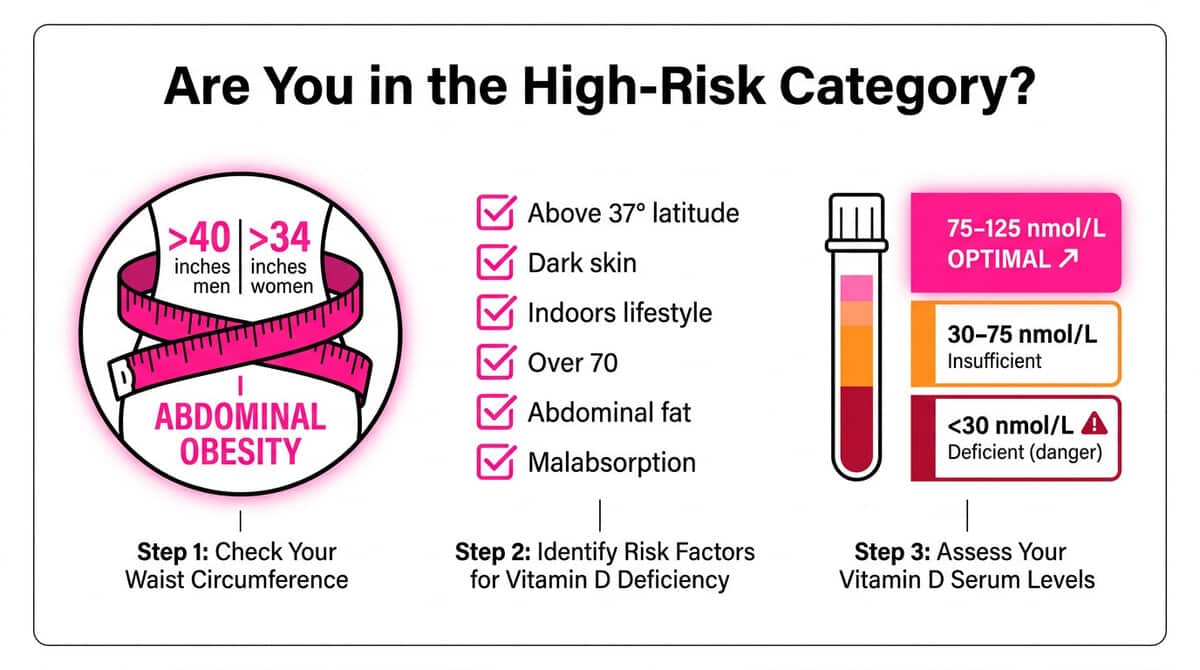
Step 1 — Measure Your Waist Circumference
Using a flexible tape measure:
- Stand relaxed, don’t hold your stomach in
- Measure at the level of your navel
- Take the reading at the end of a normal exhale
Risk thresholds (ELSA study and NIH):
- Men: above 40 inches (102 cm) = abdominal obesity
- Women: above 34 inches (88 cm) = abdominal obesity per ELSA; 35 inches per NIH, both thresholds indicate elevated visceral fat
Step 2 — Assess Your Vitamin D Risk Profile
You are at elevated risk of vitamin D deficiency if:
- You live above 37° latitude, most of Canada, the UK, and the northern United States (including Calgary, Airdrie, Toronto, London) receive insufficient UVB for vitamin D synthesis from October through April
- You have dark skin, melanin reduces UVB-driven vitamin D synthesis; people with darker skin require 3–6 times longer sun exposure for equivalent production
- You spend most time indoors
- You are over 70, skin produces approximately 75% less vitamin D than at age 20
- You carry significant abdominal fat, the sequestration mechanism operates regardless of sun exposure
- You have inflammatory bowel disease, celiac disease, liver disease, or post-bariatric surgery (impaired absorption or conversion)
- You take medications that deplete vitamin D (certain anticonvulsants, glucocorticoids, some HIV medications)
Step 3 — Get the Blood Test
The only definitive answer is a serum 25-hydroxyvitamin D test. Request this explicitly at your next appointment.
Interpreting your result:
| Serum 25-OH-D Level | Status | Clinical Action |
| Below 30 nmol/L (<12 ng/mL) | Deficient — ELSA danger threshold | Physician-guided supplementation immediately |
| 30–50 nmol/L (12–20 ng/mL) | Insufficient | Supplement; retest in 3 months |
| 50–75 nmol/L (20–30 ng/mL) | Adequate (lower range) | Continue/start moderate supplementation |
| 75–125 nmol/L (30–50 ng/mL) | Optimal — Endocrine Society target | Maintain; monitor annually |
| Above 125 nmol/L (>50 ng/mL) | Monitor for excess | No additional supplementation without physician guidance |
The critical nuance for people with belly fat. Standard blood tests measure circulating 25-OH-D, but with significant abdominal fat, large amounts of vitamin D are sequestered in adipose tissue and don’t appear in the blood test. An “adequate” reading of 55–70 nmol/L in a person with significant belly fat may still represent functional deficiency at the tissue level. Discuss with your physician whether a higher target serum level (75–100+ nmol/L) is appropriate given your waist circumference.
The vitamin B12 deficiency article documented the same problem in a different vitamin: standard tests show “normal” levels while functional deficiency occurs at the tissue level. The parallel is direct, both B12 and vitamin D deficiency are chronically underdiagnosed in adults over 50 because standard tests don’t always capture functional status.
Vitamin D Deficiency Signs That Are Easy to Miss After 50
Why vitamin D deficiency is the most misdiagnosed deficiency in older adults. Every symptom of vitamin D deficiency has a more common apparent explanation that doctors and patients alike tend to reach for, especially after 50, when the same symptoms are attributed to “normal aging.”
Bone and muscle symptoms:
- Lower back pain and bone aches — often attributed to arthritis or age-related disc changes; vitamin D deficiency causes bone demineralization through impaired calcium absorption that creates diffuse bone pain
- Muscle weakness and fatigue — often attributed to deconditioning or thyroid issues; vitamin D receptors in skeletal muscle regulate protein synthesis and contractile function; deficiency impairs muscle strength independent of exercise or protein intake
- Difficulty with balance — vitamin D deficiency impairs proprioception and muscle response time, increasing fall risk before any obvious muscle weakness is apparent
Immune symptoms:
- Frequent infections — colds, respiratory infections, and slow wound healing; vitamin D is a master immune regulator; deficiency impairs both innate (first-line) and adaptive (antibody) immunity
- This also affects vaccine response — the spermidine research specifically found that immunosenescence blunts vaccine effectiveness; vitamin D sufficiency is a complementary requirement for robust vaccine antibody response
Neurological and mood symptoms:
- Depression and persistent low mood — vitamin D modulates serotonin synthesis and neurotransmitter pathways in the limbic system; deficiency is consistently found at higher rates in people with clinical depression
- Cognitive slowing and brain fog — vitamin D receptors in the hippocampus and prefrontal cortex regulate neuroprotection and inflammatory clearance; the ELSA study population itself showed cognitive associations with vitamin D deficiency
- Poor sleep quality — vitamin D influences melatonin production and sleep architecture; deficiency disrupts the deep slow-wave sleep that the UC Berkeley study showed is essential for amyloid clearance and biological aging protection. The sleep and weight gain research found that sleep disruption accelerates metabolic aging, vitamin D deficiency contributing to poor sleep quality adds another layer to the belly fat-vitamin D vicious cycle through its sleep disruption mechanism
The “it’s just aging” misattribution. All of the above symptoms, fatigue, bone aches, muscle weakness, low mood, frequent infections, cognitive slowing, and poor sleep, are routinely told to adults over 50 as expected consequences of getting older. They frequently are not. They are frequently correctable nutrient deficiencies masquerading as aging.
How to Break the Vitamin D Deficiency and Belly Fat Cycle — The Evidence-Based Action Plan
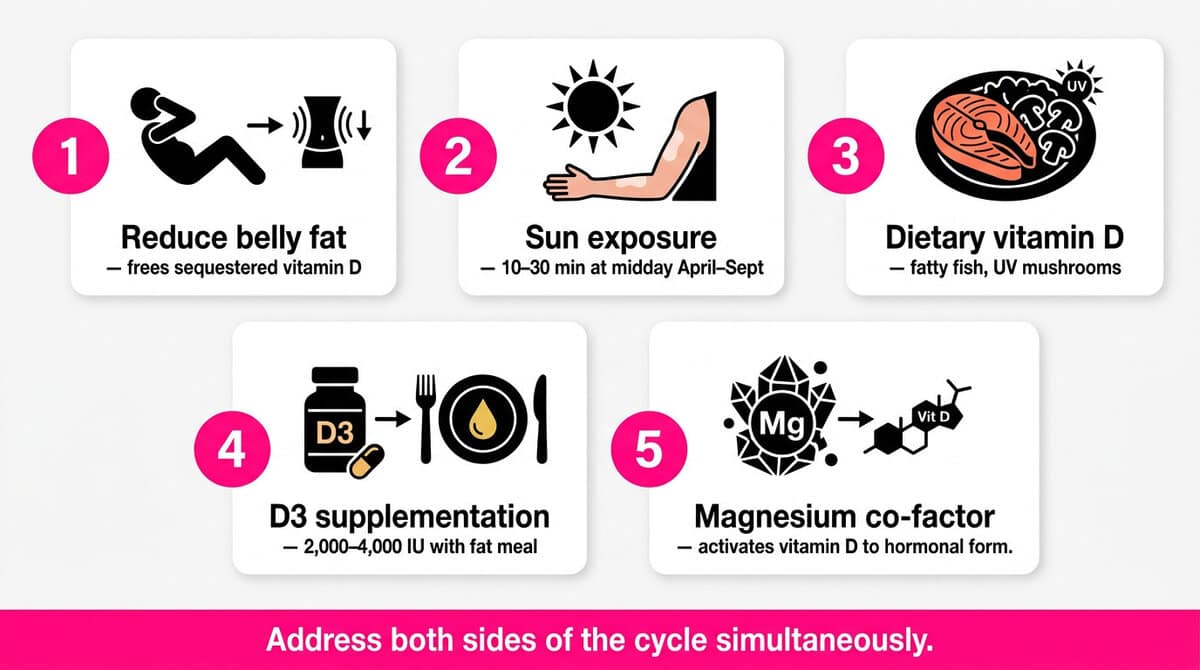
Breaking this cycle requires addressing both sides simultaneously, reducing the belly fat that sequesters vitamin D, while supplementing to restore adequate circulating levels. The five interventions below form the most complete evidence-based protocol available.
Intervention #1 — Reduce Abdominal Fat (Directly Frees Sequestered Vitamin D)
This is the most mechanistically direct intervention: reducing belly fat physically releases sequestered vitamin D back into circulation. Studies show that weight loss in obese individuals increases circulating 25-OH-D without any change in vitamin D intake or sun exposure, purely from adipose tissue releasing sequestered vitamin D as it shrinks.
The practical approach: once-weekly interval walking (75 minutes) provides the gold-standard catecholamine-driven visceral fat mobilization documented in the HKU DXA study. Strength training 90–120 minutes weekly provides the complementary BDNF, cardiovascular, and lean mass protection. Together they address belly fat, and with it, vitamin D bioavailability, through the most time-efficient exercise protocol currently evidence-validated.
Intervention #2 — Sun Exposure (The Free, Most Bioavailable Source)
UVB radiation converts 7-dehydrocholesterol in the skin to pre-vitamin D3, which is then converted to 25-OH-D in the liver. This endogenous production pathway bypasses the gut absorption variability affecting supplements.
Practical guidance:
- Expose arms and legs (not just hands and face) for 10–30 minutes at midday between April–September at temperate latitudes
- Darker skin requires 3–6 times longer exposure for equivalent production
- After age 70, skin produces approximately 75% less vitamin D, supplementation becomes essential regardless
- Sunscreen with SPF 15+ blocks approximately 99% of vitamin D synthesis, balance sun safety with vitamin D production during brief midday windows
Intervention #3 — Dietary Vitamin D Sources
| Food | Vitamin D per Serving |
| Rainbow trout (3oz cooked) | 645 IU |
| Salmon (3oz cooked) | 570 IU |
| Swordfish (3oz cooked) | 566 IU |
| Cod liver oil (1 tsp) | 450 IU |
| UV-exposed mushrooms (½ cup) | Up to 400 IU |
| Sardines in oil (3oz) | 164 IU |
| Fortified whole milk (1 cup) | 120 IU |
| Egg yolk (1 large) | 44 IU |
Intervention #4 — Supplementation (Essential for High-Risk Adults)
- Form: Vitamin D3 (cholecalciferol), more effective than D2 (ergocalciferol) at raising serum 25-OH-D
- Dose for adults with abdominal obesity: Research suggests 2,000–4,000 IU/day to overcome sequestration and achieve adequate serum levels, but only under physician guidance with periodic blood testing
- NIH RDA: 600 IU/day (ages 19–70), 800 IU/day (over 70), likely insufficient to overcome adipose sequestration in people with significant belly fat
- Tolerable Upper Limit: 4,000 IU/day for adults; above this requires medical supervision due to hypercalcemia risk
- When to take: with your largest fat-containing meal, vitamin D is fat-soluble and dietary fat significantly increases absorption
- Retest timing: 3 months after starting or changing dose; annually thereafter
The magnesium co-factor — the most important supplement interaction in vitamin D optimization. Magnesium is required for vitamin D to be activated from its storage form (25-OH-D) to its biologically active hormonal form (1,25-dihydroxyvitamin D). Without adequate magnesium, vitamin D supplementation produces less benefit than the dose would predict. This creates a direct clinical bridge to the magnesium article, taking vitamin D without adequate magnesium is like having the fuel without the ignition. Magnesium glycinate 200–400mg daily ensures both the sleep benefits documented in the magnesium article AND the vitamin D activation required for the immune, bone, and metabolic benefits documented in this one.
Intervention #5 — Reduce Systemic Inflammation Directly
The feedback loop is driven partly by inflammatory cytokines, addressing inflammation directly from multiple directions simultaneously breaks the cycle from both ends.
- Mediterranean dietary pattern — reduces IL-6, TNF-α, and CRP across dozens of clinical trials; flavanol-rich foods at 500mg daily are among the most specific dietary interventions for vascular and systemic inflammation
- Eliminate ultra-processed foods — the primary dietary drivers of the chronic low-grade inflammation that perpetuates the deficiency-fat cycle
- Support gut barrier integrity — LPS (lipopolysaccharide) from dysbiotic gut bacteria is a major systemic inflammation trigger; gut microbiome health through prebiotic fiber and fermented dairy supports the barrier that prevents LPS translocation
- Optimize sleep — cortisol-driven inflammation from sleep restriction directly promotes visceral fat accumulation; magnesium-deepened slow-wave sleep reduces this cortisol-inflammation pathway simultaneously
What Vitamin D Deficiency Plus Belly Fat Means for Your Specific Health Risks
Type 2 Diabetes. Both abdominal obesity and vitamin D deficiency are independent risk factors for type 2 diabetes, together they compound insulin resistance, impair pancreatic beta-cell function, and reduce the benefits of exercise on glucose uptake. The ELSA study’s highest-mortality subgroup included people with type 2 diabetes carrying both risk factors. The metformin brain pathway research connects metformin’s gut microbiome and AMPK effects to overlapping pathways with vitamin D’s insulin-sensitizing role.
Dementia and Cognitive Decline. Vitamin D receptors are expressed throughout the brain, in the hippocampus, prefrontal cortex, and cerebellum. Deficiency impairs neuroinflammation regulation, amyloid clearance, and synaptic function. Combined with the July 30, 2026 ceramide-Alzheimer’s finding linking visceral fat to microglial dysfunction, and the EEG brain age study connecting visceral fat to accelerated neural aging, adults with both vitamin D deficiency and belly fat face a compounding triple threat to cognitive health. The shingles vaccine’s dementia protection is partially contingent on adequate immune function — which vitamin D deficiency directly impairs.
Cardiovascular Disease. Vitamin D receptors are expressed in cardiac muscle and vascular endothelium, deficiency promotes vascular smooth muscle proliferation and arterial inflammation. Combined with abdominal fat’s hypertension-driving and Lp(a)-amplifying effects, the cardiovascular risk profile of adults with both conditions is substantially elevated. Vitamin D deficiency is now recognized as an independent cardiovascular risk factor in multiple professional society guidelines.
Osteoporosis and Falls. Vitamin D is essential for calcium absorption, without adequate circulating vitamin D, dietary calcium and supplement calcium cannot be efficiently absorbed into bone. Combined with the muscle weakness from both deficiency and excess visceral fat, fall risk in older adults with both conditions is dramatically elevated beyond either risk factor alone.
The Broader Picture — Other Fat-Soluble Nutrients Sequestered by Belly Fat
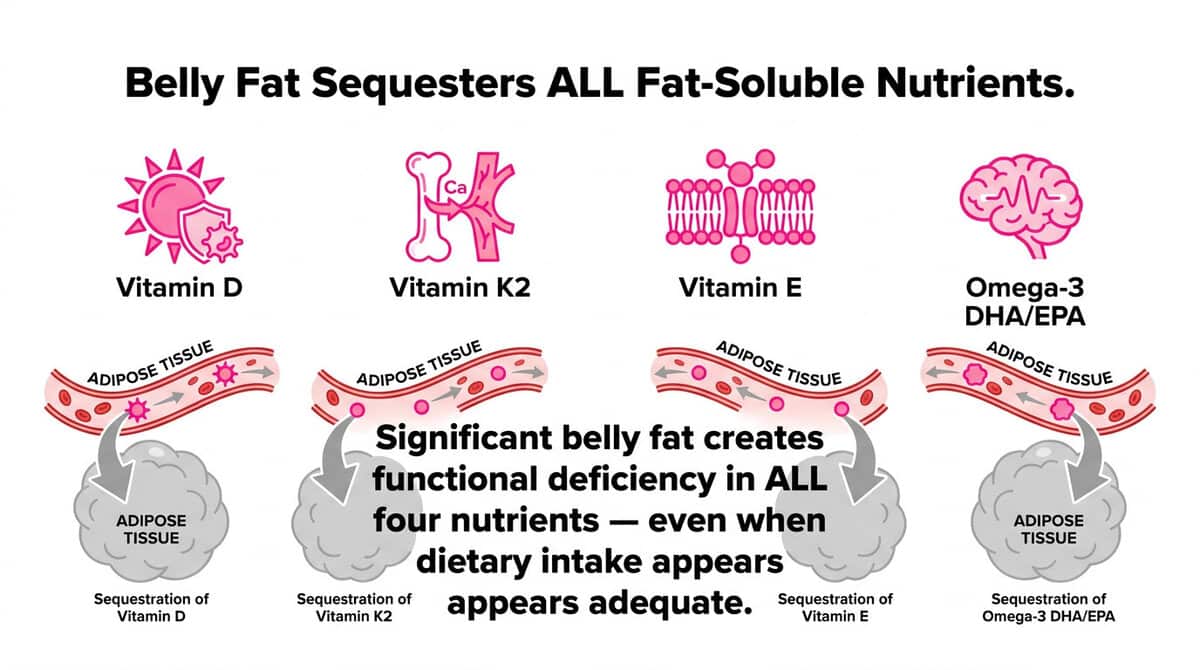
The vitamin D sequestration phenomenon is not unique to vitamin D, it affects all fat-soluble nutrients. This is a conceptual framework that reshapes how adults with abdominal obesity should think about their entire nutritional status.
Vitamin K2 — directs calcium into bone rather than arterial walls. Adipose sequestration in obesity reduces circulating K2, contributing simultaneously to bone loss AND arterial calcification, a dual harm that helps explain why obesity is associated with both osteoporosis and cardiovascular calcification despite adequate dietary calcium.
Vitamin E — antioxidant protection of cell membranes. Adipose sequestration in obesity reduces circulating vitamin E, increasing oxidative stress at the cellular level despite adequate dietary intake. People with significant belly fat may be measurably more oxidatively stressed than their diet would predict.
DHA and EPA (omega-3 fatty acids), brain and cardiovascular protection. Some research suggests omega-3 fatty acids may be partially sequestered in adipose tissue in obese adults, reducing the brain-protective circulating levels discussed in the fish oil brain health article. This helps explain why the USC eBioMedicine trial found omega-3 supplements reached the brain but still failed to protect it, adipose sequestration in the trial’s participants may have reduced the functionally available DHA.
The clinical implication. Adults with significant abdominal obesity may be in a paradoxical state of “adequate nutrition on paper, deficiency in practice” for multiple fat-soluble nutrients simultaneously. This is not only a vitamin D problem, it is a fat tissue problem that affects every fat-soluble micronutrient simultaneously.
When to See a Doctor About Vitamin D and Belly Fat
Request a vitamin D test at your next appointment if you:
- Are over 50 with waist circumference above the abdominal obesity threshold
- Are over 70 regardless of weight, age-related synthesis decline makes testing essential
- Have bone pain, muscle weakness, frequent infections, depression, or cognitive slowing without another established cause
- Have inflammatory bowel disease, celiac disease, or other malabsorption conditions
- Live at high latitude (above 37°) and spend most time indoors
What to say to your doctor: “I read about the ELSA study showing belly fat and vitamin D deficiency together raise mortality risk by 123% in adults over 50. Given my waist measurement of [X] and my risk factors for deficiency, I’d like my 25-hydroxyvitamin D tested. If it’s below 75 nmol/L and I have significant abdominal fat, I’d like to discuss whether a higher target level is appropriate given the sequestration mechanism.”
Vitamin D toxicity warning — don’t overcorrect. Vitamin D toxicity (hypervitaminosis D) causes hypercalcemia, elevated blood calcium, leading to nausea, kidney stones, soft tissue calcification, and kidney failure in severe cases. The established safe upper limit is 4,000 IU/day for adults without medical supervision. The fear of deficiency shouldn’t drive self-prescribing of very high doses without blood test monitoring. The goal is adequate circulating levels, not maximum supplementation.
FAQs About Vitamin D Deficiency and Belly Fat
How does vitamin D deficiency and belly fat interact to increase death risk? A four-step feedback loop: belly fat sequesters vitamin D from circulation → low vitamin D removes the inflammatory brake → elevated IL-6 and TNF-α promote more visceral fat → more fat sequesters more vitamin D. The ELSA 6-year cohort of 5,520 adults found this combination associated with 123% higher relative mortality risk, more than double the baseline.
Does belly fat really trap vitamin D? Yes, vitamin D is fat-soluble and accumulates in adipose tissue. Standard blood tests measure circulating 25-OH-D, but in obese adults, large amounts are sequestered in fat cells and invisible to the test. Obese adults may need 2–3 times the vitamin D intake of lean adults for equivalent circulating levels.
How do I know if I have vitamin D deficiency? Request a serum 25-hydroxyvitamin D blood test. Signs include bone pain, muscle weakness, frequent infections, low mood, cognitive slowing, and poor sleep, all routinely misattributed to “normal aging.” Target: 75–100 nmol/L for optimal immune and chronic disease protection.
What waist size indicates dangerous abdominal obesity? Above 40 inches (102 cm) for men; above 34 inches (88 cm) for women. Measure at the navel while standing relaxed.
How much vitamin D should I take if I have belly fat? 2,000–4,000 IU/day D3 may be needed to overcome sequestration, but only under physician guidance with blood test monitoring. Take with a fat-containing meal. Ensure adequate magnesium alongside, it is required to activate vitamin D to its hormonal form.
Can losing belly fat improve my vitamin D levels without supplementing? Yes, belly fat release during weight loss directly increases circulating vitamin D without any dietary change. Interval walking and strength training both reduce visceral fat through the catecholamine and EPOC mechanisms — freeing sequestered vitamin D in the process.
What is the best time of day to take vitamin D? With your largest fat-containing meal , fat significantly increases absorption. Separate from magnesium by 2 hours if taking calcium simultaneously (calcium and magnesium compete for absorption).
Does vitamin D deficiency cause weight gain and belly fat? Yes, through elevated IL-6, TNF-α, and cortisol that promote adipogenesis. The relationship is bidirectional, breaking it requires addressing both simultaneously.
What is a healthy vitamin D level after 50? 75–100 nmol/L is optimal per Endocrine Society guidelines. For adults with significant belly fat, aiming for the upper end of this range (or slightly above) may be needed to achieve equivalent tissue-level adequacy given the sequestration effect.
Can I get enough vitamin D from food alone? Very difficult, especially after 70. The richest sources (fatty fish, UV-exposed mushrooms) rarely consistently reach the 2,000+ IU that sequestration-affected adults require. Supplementation with D3 is the most reliable path to adequate levels.
Speak with your doctor before starting vitamin D supplementation above 2,000 IU/day. Toxicity is possible with sustained high doses without monitoring.